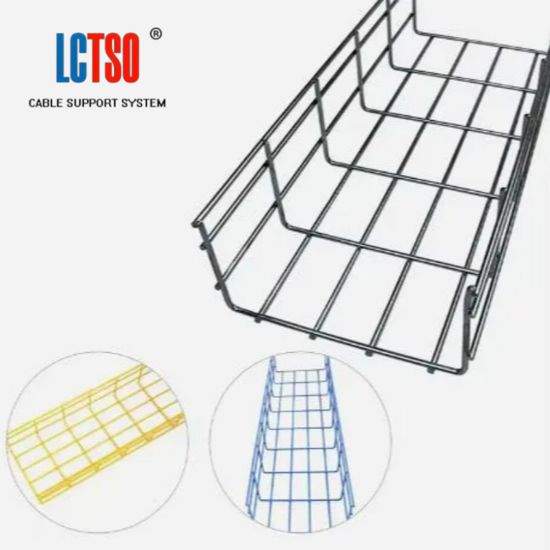
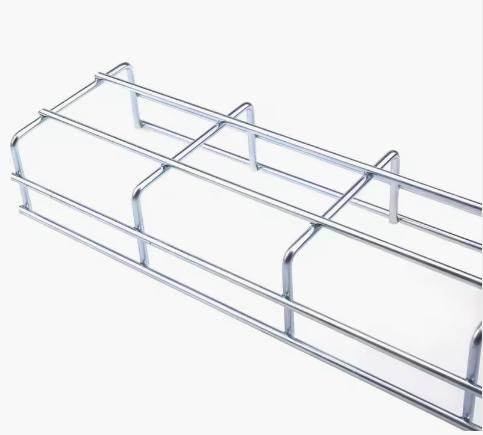
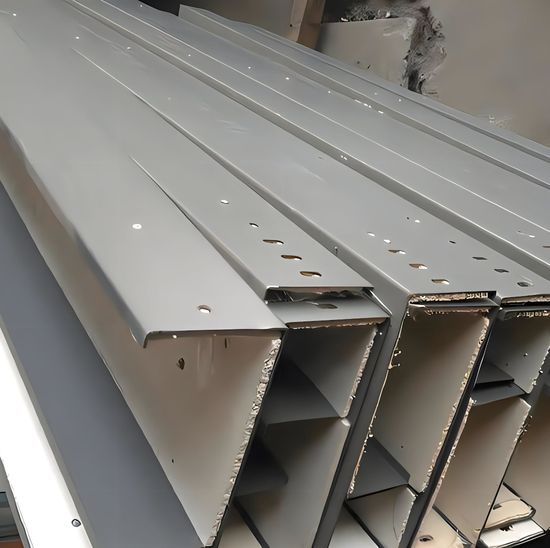
Customized Size Stainless Steel Cable Tray 300mm 500mm Ladder Type Metal Cable Tray

Metal Cable Ladder Cable Tray Stainless Steel SS316 Cable Tray

Metal Material Aluminum Perforated Cable Tray

I have found results from800+products and200+suppliers aboutMetal cable tray size and length


Selecting the right size requires calculating the total cross-sectional area of all cables, adding a 20-25% expansion factor for future needs. You must ensure the tray depth and width comply with NEMA VE 1 or IEC 61537 standards to prevent cable overheating. For load capacity, verify the Safe Working Load (SWL) against the weight of your cables per meter, ensuring the tray can support the weight between specified support spans (usually 1.5m to 3m) without exceeding a deflection ratio of 1/200.
For indoor commercial use, Pre-Galvanized (PG) steel is cost-effective. However, for industrial or outdoor environments, Hot-Dip Galvanized (HDG) steel is essential as it provides a thicker zinc coating for superior corrosion resistance. In highly corrosive areas like chemical plants or coastal regions, Stainless Steel (SS304 or SS316L) is the gold standard. Always check that the finish meets ASTM A123 or equivalent international coating thickness requirements.
The industry standard lengths are typically 3 meters (approx. 10ft) or 6 meters (approx. 20ft). Choosing longer sections (6m) can reduce the number of couplers and joints needed, which lowers labor costs and improves electrical continuity. However, you must ensure your logistics provider can handle oversized cargo and that the installation site has enough clearance for maneuvering long segments.
Ensure the trays have smooth, burr-free edges to prevent cable insulation damage during pulling. Electrical continuity is critical; look for trays designed for easy bonding and grounding to prevent electrical shocks. For high-voltage applications, verify the ventilation ratio of perforated trays to ensure adequate heat dissipation, preventing cable derating.
Request a Material Test Report (MTR) to verify the steel grade and a Zinc Coating Thickness Test report. For large orders, it is highly recommended to hire a third-party inspection service (like SGS or Intertek) to perform a loading supervision and dimensional check before the balance payment is made. On Made-in-China.com, prioritize Audited Suppliers who have undergone comprehensive on-site verification.
Metal cable trays are bulky and heavy. To optimize costs, use 40ft High Cube containers for 6-meter lengths, but be aware of weight limits. Ensure the supplier uses seaworthy packaging, such as steel strapping and wooden pallets with plastic film wrapping, to prevent white rust (oxidation) caused by humidity during sea transit. Clearly define Incoterms (e.g., FOB or CIF) to establish where risk transfers.
Suppliers often offer tiered pricing; increasing your volume to a full container load (FCL) can reduce unit costs by 15-20% compared to LCL. If you require custom widths or side heights, expect a higher Minimum Order Quantity (MOQ) to cover machine setup costs. Always negotiate for spare accessories (bolts, nuts, and couplers) to be included in the bulk price, as these are often overpriced if bought separately.
Use secure payment methods such as Letters of Credit (L/C) for large-scale industrial orders or Escrow-based services provided by reputable platforms. Avoid direct wire transfers to private accounts. Ensure the Proforma Invoice (PI) explicitly lists the technical specifications, coating thickness, and lead times to provide legal recourse in case of disputes.