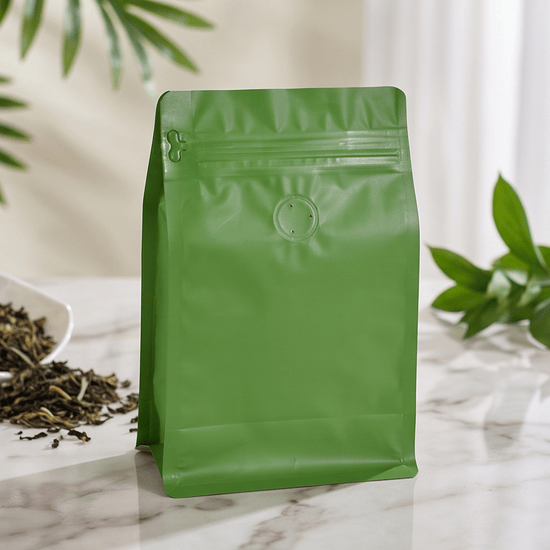
Capacity 100kg Packaging Coffee Cocoa Bean New Jute Sack Bag Food-Grade Gunny Bag From China

Factory Customization 100kgs Jute Bags Jute Gunny Bags Coffee Jute Bags

I have found results from60000+products and20000+suppliers aboutJute bags for coffee


When sourcing jute bags for coffee beans, the most critical factor is the Hydrocarbon-Free (VOT - Vegetable Oil Treated) certification. Standard jute bags use mineral oils that can contaminate coffee beans; therefore, you must ensure the bags are treated with non-toxic vegetable oils. Additionally, check the fabric weight (GSM), typically ranging from 180g to 400g, and the weaving density (Hessian vs. Sacking) to ensure proper breathability and moisture control for the beans.
To ensure market entry, verify that the supplier complies with IJO (International Jute Organization) Standard 98/01, which regulates the limit of unsaponifiable matter. For the US market, FDA food contact safety is mandatory, while for the EU, REACH and LFGB compliance ensures no harmful chemicals are present. If you are targeting the organic market, look for GOTS (Global Organic Textile Standard) certification.
Coffee beans are heavy and often transported in bulk. You should prioritize bags with reinforced safety stitching (Heracles or Overhead stitching) to prevent bursting. A standard export coffee bag is designed to hold 60kg to 70kg of green coffee beans. Request tensile strength test reports to confirm the bag can withstand the rigors of maritime shipping and mechanical handling at ports.
Yes, most professional suppliers on Made-in-China.com offer silk-screen printing or heat transfer printing for logos and batch numbers. For traceability, ensure the supplier can print ICO (International Coffee Organization) marks, which include the country code, exporter code, and parcel number. Ensure the inks used are water-based and food-safe to avoid odor transfer to the coffee.
The biggest risk is moisture and mold during sea transit. Jute is highly hygroscopic. You must ensure the supplier uses desiccants (silica gel) in the container and provides moisture-proof inner liners if required. Another risk is odor contamination; ensure the bags are stored away from chemicals or fuels in the warehouse before shipping.
Focus on Total Landed Cost rather than just the unit price. Negotiate for tiered pricing based on volume (e.g., 5,000 vs. 20,000 units). Ask for a pre-shipment inspection (PSI) clause in the contract, allowing a third party to verify the VOT status and moisture content before final payment is released.
Request bale packaging with waterproof wrapping to protect against sea spray. For large orders, use FCL (Full Container Load) to minimize handling and cross-contamination with other goods. Ensure the shipping documents include a Fumigation Certificate if required by your country's customs to prevent the introduction of pests.
Utilize Trade Terms like FOB or CIF to clearly define where the risk transfers. For payment, use Secured Payment services provided by platforms like Made-in-China.com or Letters of Credit (L/C) for large-scale industrial orders. Always verify the supplier's Audit Reports and Business License to confirm they are a legitimate manufacturer rather than a middleman.