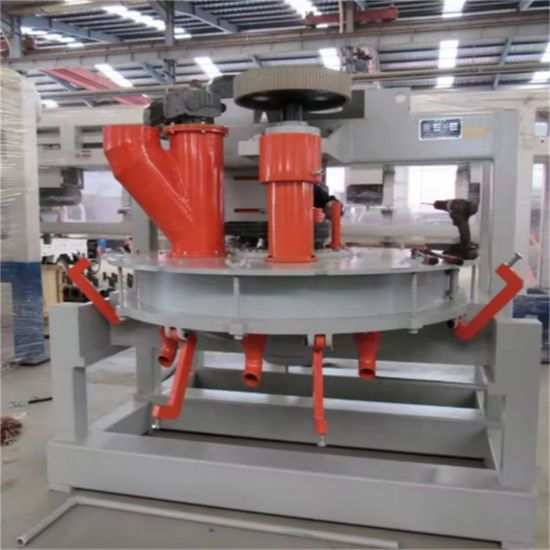
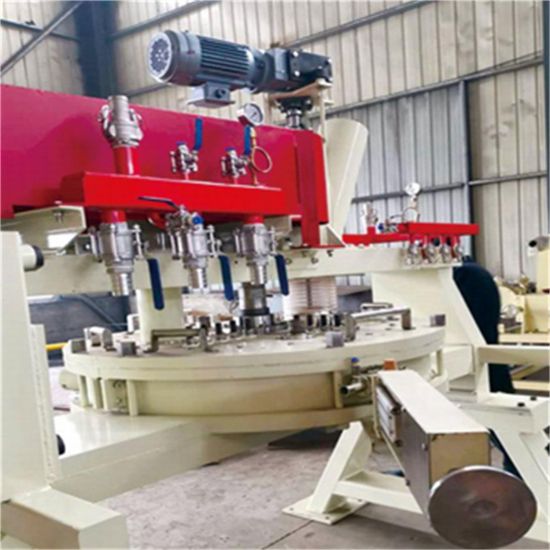
High Speed Mixer for Gypsum Board Production Line

Double Shaft Mixer for Gypsum Powder Making Machine

China Gypsum Board Scraper Type Stainless Steel Mixer

I have found results from10000+products and5000+suppliers aboutGypsum board mixer


When sourcing a gypsum board mixer, the mixing efficiency and homogeneity are paramount. You should prioritize mixers with high-speed centrifugal rotors that ensure a uniform slurry within seconds. Key specs include motor power (typically 30kW to 75kW for industrial scales), stainless steel or wear-resistant alloy liners to prevent corrosion from additives, and automatic self-cleaning functions to reduce downtime caused by gypsum buildup. Ensure the equipment supports variable frequency drives (VFD) for precise control over the mixing speed based on different board thicknesses.
For cross-border procurement, verify that the machinery carries the CE Marking for European markets or meets UL/ANSI standards for North America. The manufacturer should hold an ISO 9001:2015 certification to guarantee consistent production quality. Additionally, request documentation confirming that the pressure vessels (if integrated) comply with ASME standards and that all electrical components are IP54 or IP55 rated to withstand the dusty environment of a gypsum plant.
Modern mixers must integrate with a PLC control system (such as Siemens or Mitsubishi) to manage the precise dosing of water, gypsum powder, foaming agents, and accelerators. Look for suppliers on Made-in-China.com who offer real-time monitoring of slurry temperature and viscosity. Automation reduces human error, ensures consistent board density, and significantly lowers the rejection rate of the final product.
Due to the quick-setting nature of gypsum, the mixer requires daily cleaning cycles. High-quality mixers feature quick-opening inspection hatches and replaceable wear plates. You should evaluate the availability of spare parts like mixing blades and seals. A professional supplier should provide a detailed maintenance manual and a recommended spare parts list for the first 2 years of operation to avoid costly production halts.
To minimize risk, utilize third-party inspection services (like SGS or Intertek) to conduct a Pre-Shipment Inspection (PSI). This ensures the machine's specifications match your order. Furthermore, use secure payment methods such as Letters of Credit (L/C) or escrow services provided by reputable platforms like Made-in-China.com to ensure funds are only released upon verification of shipping documents.
Focus your negotiations not just on the unit price, but on the Total Cost of Ownership (TCO). Negotiate for an extended warranty period (18-24 months), the inclusion of critical wear parts, and on-site installation/commissioning support. Ask for a FAT (Factory Acceptance Test) via video link if you cannot visit the factory in person to confirm the machine runs under load before final payment.
Industrial mixers are heavy and often oversized. Ensure the supplier uses seaworthy packaging, including vacuum-sealed plastic wrapping and anti-rust coating for all metal surfaces. Specify FR (Flat Rack) or OT (Open Top) containers if the dimensions exceed standard shipping containers. Always clarify the Incoterms (e.g., CIF vs. FOB); for heavy machinery, FOB is often preferred by experienced buyers to maintain control over the ocean freight costs and insurance.