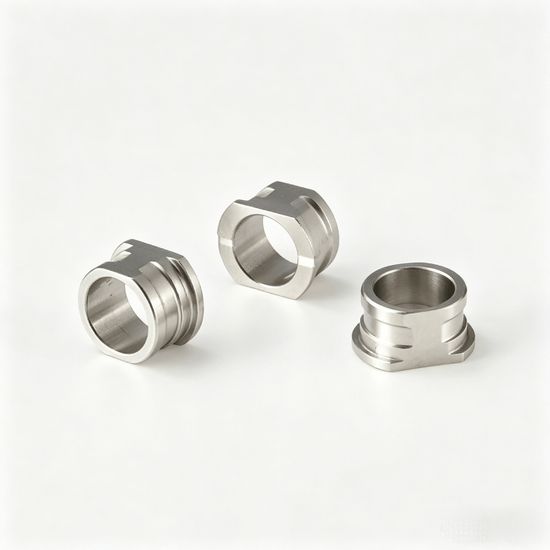
A hip implant factory manufacturers
I have found results from400+products and200+suppliers aboutA hip implant factory
Sourcing guidance for A Hip Implant Factory
What are the critical technical specifications for hip implant materials?
When sourcing from a factory, ensure they use Medical Grade Titanium Alloy (Ti6Al4V ELI) or Cobalt-Chromium (CoCrMo) for stems and heads, and Highly Cross-linked Polyethylene (HXLPE) or Biolox Delta Ceramic for liners. The surface should feature Plasma-sprayed Hydroxyapatite (HA) coating or Porous Titanium coating to promote osseointegration (bone ingrowth).
Which international quality standards must a hip implant factory adhere to?
The facility must be ISO 13485 certified, which is the specific quality management system for medical devices. Products should carry CE Marking (MDR 2017/745) for the European market or FDA 510(k) clearance for the U.S. market. Additionally, ensure the factory operates Class 10,000 (ISO 7) cleanrooms for sterile packaging.
How can a buyer verify the manufacturing precision and durability of the implants?
Request Fatigue Testing Reports (ISO 7206) to ensure the implant can withstand millions of loading cycles. Verify the factory uses CNC high-precision machining and Coordinate Measuring Machines (CMM) to maintain tolerances within microns. Ask for biocompatibility test reports (ISO 10993) to ensure the materials do not cause toxic or allergic reactions.
What customization (OEM/ODM) capabilities should a professional factory offer?
A top-tier factory should support 3D Printing (Additive Manufacturing) for patient-specific implants (PSI) and custom acetabular cups. They should provide CAD/CAM design services and be able to produce a wide range of neck-shaft angles and offset options to accommodate diverse patient anatomies.
Cross-Border Procurement & Risk Management for Medical Devices
How should I manage the risks of purchasing medical implants across borders?
The primary risk is regulatory non-compliance. Always use Made-in-China.com's 'Audited Supplier' reports to verify the factory's physical existence and certification validity. Implement a staged payment plan via Secured Trading services, releasing the final 70% only after a third-party pre-shipment inspection (PSI) confirms the batch meets your technical specs.
What are the key considerations for shipping and sterile integrity?
Hip implants are high-value, sensitive items. Use Air Freight to minimize transit time and vibration exposure. Ensure the factory uses double-sterile Tyvek packaging and includes sterilization indicators. The outer shipping cartons must be heavy-duty corrugated fiberboard with shock-absorption inserts to prevent micro-fractures in ceramic components.
How do I negotiate effectively with high-end medical manufacturers?
Focus on Long-term Clinical Data rather than just price. Negotiate for exclusive distribution rights in your region in exchange for guaranteed annual volumes. Request technical training support for your local surgeons and sales team, and ensure the contract includes a Product Liability Insurance clause to protect against potential surgical failures linked to manufacturing defects.