
Satisfies 1 requirement
Low Price Wholesale 100% Pure Natural Oregano Essential Oil for Export with High Quality Best Price
US$22.00-40.00
500 kg(MOQ)

I have found results from1000+products and400+suppliers aboutWholesale oregano oil


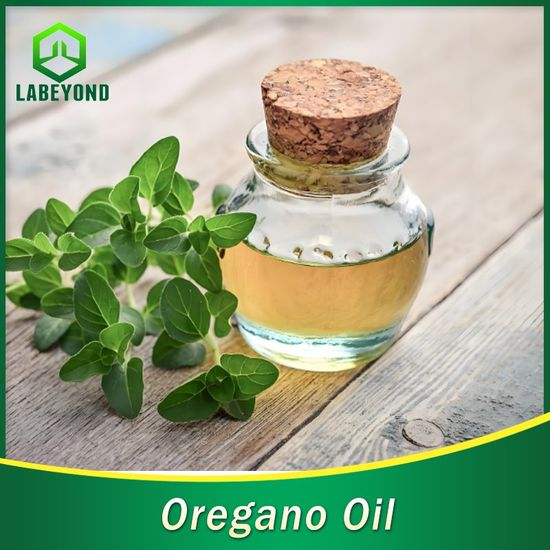

The most critical component is Carvacrol, which should ideally range between 60% to 85% for high-potency therapeutic or food-grade use. Additionally, ensure the Thymol content is low (typically <5%), as high levels of thymol can be caustic. Buyers should always request a GC-MS (Gas Chromatography-Mass Spectrometry) report for every batch to verify the chemical profile and purity.
Depending on the end-use, you should prioritize suppliers with ISO 22000 or HACCP for food safety. If the oil is for medicinal use, GMP (Good Manufacturing Practice) certification is essential. For the US market, ensure the product is FDA registered and GRAS (Generally Recognized as Safe). For the EU, compliance with REACH regulations and EU Organic certification (if applicable) is mandatory.
Steam Distillation is the industry standard for preserving the volatile compounds of Origanum vulgare. While CO2 Extraction yields a more potent and 'complete' oil profile, it comes at a significantly higher price point. Avoid oils extracted with chemical solvents like hexane, as these are unsuitable for internal consumption and may contain toxic residues.
Oregano oil is highly volatile and corrosive to certain plastics. It must be stored in fluorinated HDPE containers, stainless steel drums, or dark amber glass bottles to prevent oxidation and leaching. Ensure the packaging is UN-certified for hazardous goods if the concentration is high, as essential oils are often classified as flammable liquids under Class 3 or Class 9 for international shipping.
Adulteration with cheaper oils (like synthetic carvacrol or thyme oil) is a common risk. To mitigate this, never rely solely on the supplier's COA (Certificate of Analysis). Use a third-party inspection service like SGS or Intertek to pull samples directly from the production line for independent lab testing before final payment.
Focus on long-term volume commitments rather than one-off purchases to secure a 15-20% discount. Request a tiered pricing structure based on Carvacrol percentage. Always clarify the Incoterms (e.g., FOB vs. CIF) early in the negotiation to avoid hidden logistics fees, and use Trade Resources on Made-in-China.com to verify the supplier's 'Audit Reports' and 'Gold Member' status.
Utilize Secured Payment services provided by the platform to ensure funds are only released upon proof of shipment. For very large orders, consider a Letter of Credit (L/C). Ensure the contract includes a specific quality claim clause that defines the return/refund process if the Carvacrol content falls below the agreed-upon percentage upon arrival.
Essential oils are considered 'Sensitive Goods' by many couriers. When shipping to the US or Europe, you must provide a Material Safety Data Sheet (MSDS) and a Technical Data Sheet (TDS). For sea freight, ensure the containers are kept in a cool, ventilated area (Away from Heat) to prevent degradation of the active compounds during transit.