
Satisfies 1 requirement
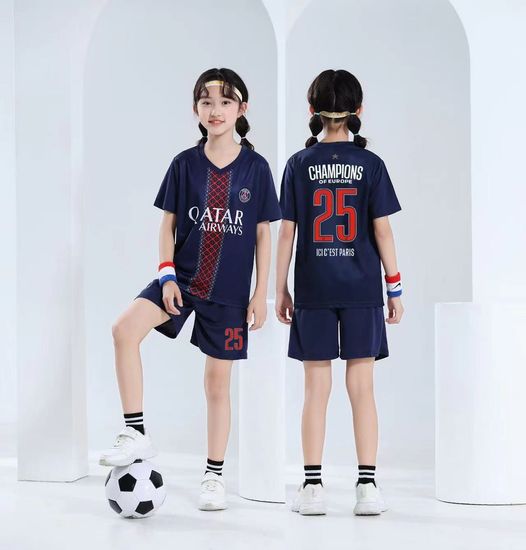
Wholesale Custom Football Short Sleeve Shorts Set Sweatshirt Soccer Jerseys Adult Children Quick-Drying T-Shirt Sport Wear
US$6.50-8.50
1 piece(MOQ)

I have found results from200000+products and80000+suppliers aboutWholesale children wear




Safety is the highest priority in children's apparel. You must ensure products comply with CPSIA (USA), REACH (EU), or GB standards (China). Specifically, verify that all fabrics are OEKO-TEX Standard 100 certified to ensure they are free from harmful chemicals. For infants, pay close attention to small parts (buttons, sequins) which must pass pull-tests (typically 90N for 10 seconds) to prevent choking hazards, and ensure drawstrings are removed from neck and waist areas in accordance with EN 14682 to prevent strangulation.
For newborns and toddlers, prioritize 100% combed cotton or organic bamboo fibers for breathability and skin sensitivity. For school-aged children, look for high-density knits with anti-pilling and colorfastness (Grade 4 or higher) to withstand frequent washing. If sourcing activewear, ensure the inclusion of moisture-wicking technology and spandex blends (5-8%) for elasticity. Always request a fabric weight (GSM) report to ensure the thickness matches your seasonal requirements.
Examine the stitch density, which should be at least 10-12 stitches per inch for durability. Ensure flatlock seams are used for inner linings to prevent skin irritation. For wholesale orders, verify that the size charts align with your target market (e.g., US vs. Asian sizing) and request a pre-production sample (PPS) to check for symmetrical cutting and secure thread trimming.
To maximize margins, look for suppliers on Made-in-China.com that offer tiered pricing. Purchasing ready-to-ship (RTS) items can reduce lead times, but OEM/ODM orders exceeding 500-1,000 pieces per style usually unlock a 15-25% cost reduction. Consider consolidated shipping if sourcing from multiple factories to lower the landed cost per unit.
The primary risks include size inconsistency and material substitution. To mitigate these, use Trade Assurance services and hire third-party inspection agencies (like SGS or Intertek) to perform a During Production Check (DUPRO) and a Final Random Inspection (FRI). Never release the final 70% balance payment until the inspection report confirms the goods meet your approved Gold Sample standards.
Focus on long-term partnership rather than just the lowest price. Negotiate for a lower MOQ on trial orders in exchange for a commitment to larger volumes later. Ask for free samples (excluding shipping) for established buyers. Clarify the Incoterms clearly—FOB (Free On Board) is generally preferred for buyers with their own forwarders, while DDP (Delivered Duty Paid) is better for beginners to avoid customs complexities.
Apparel is high-volume but relatively lightweight. For small batches or high-value seasonal launches, Air Express (DHL/FedEx) is best (3-7 days). For bulk wholesale, Sea Freight (LCL or FCL) is the most economical. If shipping to the US or Europe, consider Matson fast ships as a middle ground between speed and cost. Ensure all cartons are double-walled and poly-bagged to prevent moisture damage during transit.
Always conduct transactions through secure channels on Made-in-China.com to ensure payment traceability. If you have custom designs, sign a Non-Disclosure Agreement (NDA) and a NNN Agreement (Non-Use, Non-Disclosure, Non-Circumvention) before sharing tech packs. Verify the supplier's Business License and Export Qualification to ensure they are a legitimate factory and not an unlicensed middleman.