
Satisfies 1 requirement
Lab Vacuum Oven Muffle Furnace Electric Heat Treatment Multi-Zones Tube Furnace
US$800.00
1 Piece(MOQ)

I have found results from10000+products and4000+suppliers aboutVacuum muffle furnace

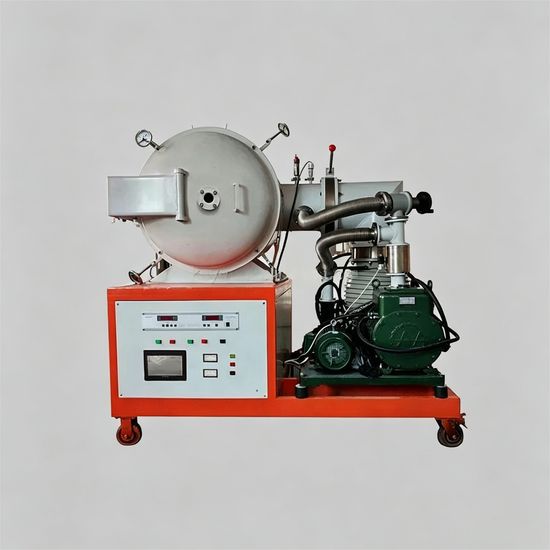


Buyers must prioritize Maximum Operating Temperature (typically ranging from 1200°C to 1800°C) and Heating Element Material (such as Molybdenum Disilicide or Silicon Carbide). Ensure the Vacuum Degree meets your process requirements, often reaching 10^-2 to 10^-5 torr. Additionally, verify the Temperature Uniformity (ideally <±5°C) and the Cooling System type (water-cooled vs. air-cooled) to ensure structural integrity during high-heat cycles.
For the European market, CE Marking is essential, specifically compliance with the Low Voltage Directive (LVD) and Electromagnetic Compatibility (EMC). For North America, look for UL or CSA certification. Since these are pressure-capable vessels, adherence to ASME Boiler and Pressure Vessel Code or the Pressure Equipment Directive (PED) is critical to ensure operational safety and legal importation.
High-purity Alumina Ceramic Fiber linings offer excellent thermal insulation and low heat storage, which reduces energy consumption and speeds up heating/cooling cycles. While Graphite chambers are cost-effective for high-vacuum applications, they are susceptible to oxidation if not handled correctly. Choosing a material that matches your specific atmosphere (vacuum, inert gas, or reducing gas) prevents premature lining degradation and reduces total cost of ownership.
Top-tier suppliers provide PID Programmable Controllers with at least 30-50 segments. Ensure the unit supports RS485 or Ethernet interfaces for remote monitoring and data logging. Compatibility with SCADA systems or dedicated software for real-time temperature curve tracking is vital for quality control and traceability in aerospace or medical device manufacturing.
The main risks include mechanical vibration damage to fragile heating elements and refractory brick displacement. To mitigate this, insist on IPPC-certified fumigated wooden crates with shock-absorbent foam and 'Tip-N-Tell' indicators. Ensure the supplier provides a detailed packing list and photos of the internal bracing before the crate is sealed.
Negotiate a warranty period of at least 12-24 months, specifically covering heating elements and controllers. Request a spare parts kit (thermocouples, O-rings, and heating rods) to be included in the initial purchase to avoid downtime. For complex installations, verify if the supplier offers remote video installation guidance or has third-party service partners in your region.
Use secure payment methods such as Letters of Credit (L/C) or Escrow services provided by reputable platforms like Made-in-China.com. Utilize Third-Party Inspection services (e.g., SGS or Intertek) to conduct a Pre-Shipment Inspection (PSI) to verify that the technical parameters and vacuum leak rates meet the agreed-upon contract specifications before final payment is released.
Given the weight and volume, Sea Freight (FCL or LCL) is the most economical choice. Compare FOB (Free On Board) terms, which allow you to use your own forwarder for better local logistics control, against CIF (Cost, Insurance, and Freight). Be aware of Import Duties and HTS Codes (typically under 8514) to accurately calculate the landed cost and avoid customs delays.