
Satisfies 1 requirement
Universal Durable POM Adjustable 2-in-1 Bottom or Side Inlet Toilet Fill Valve
US$2.27-2.77
100 Pieces(MOQ)

I have found results from3000+products and1000+suppliers aboutToilet inlet valve


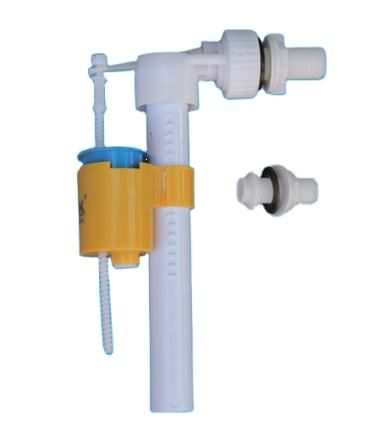


Buyers should prioritize adjustable height ranges (typically 8 to 13 inches) to ensure compatibility with various tank sizes. Look for valves with G1/2" or 15/16" thread sizes, which are the international standards. High-quality valves must feature anti-siphon technology to prevent backflow into the clean water supply and be rated for a working pressure of 0.02MPa to 1.6MPa. Additionally, ensure the internal diaphragm is made of high-grade EPDM rubber for superior chemical resistance against chlorine and hard water.
For the North American market, cUPC and ASSE 1002 certifications are essential to ensure the product meets safety and performance codes. In the UK and European markets, WRAS (Water Regulations Advisory Scheme) approval or CE marking is often required. For Australian projects, look for the WaterMark certification. Sourcing products that meet ISO 9001 quality management systems ensures consistent manufacturing standards across large batches.
Request a life-cycle test report from the supplier; premium valves should withstand at least 200,000 flush cycles without failure. To ensure quiet operation, verify if the valve includes a noise-reduction filter or silencer tube, which should keep operational noise below 30 decibels. You should also ask for a salt spray test report for any metal components to ensure they are corrosion-resistant.
Bottom-entry valves are the most common in modern concealed and close-coupled tanks, offering a cleaner aesthetic and easier installation for standard configurations. Side-entry valves are typically used in older high-level or low-level cisterns. When sourcing, ensure the supplier offers universal fit designs that can be adapted to both configurations if you are stocking for a diverse retail market to reduce inventory overhead.
The primary risk is material non-compliance, where lead content exceeds local regulations (e.g., NSF/ANSI 372). To mitigate this, use Made-in-China.com's Secured Trading services and insist on third-party pre-shipment inspections (PSI) to verify material composition. Another risk is leakage due to poor sealing; always request 100% air-pressure testing results from the factory before the goods leave the warehouse.
Focus on Total Cost of Ownership (TCO) rather than just the unit price. Negotiate a warranty period of at least 3-5 years, which signals the supplier's confidence in their product. For large orders, request a 0.5% to 1% spare parts allowance (extra diaphragms and washers) to be included at no cost. Establish a Quality Agreement that defines clear penalties for batches that exceed a 1.5% AQL (Acceptable Quality Level).
Inlet valves are often made of ABS plastic, which can become brittle in extreme cold or warp in extreme heat. Ensure the supplier uses double-corrugated export cartons and moisture-proof inner packaging. When shipping to countries with strict customs like the US or EU, ensure the Country of Origin (COO) is clearly marked on both the product and the packaging to avoid customs delays or fines.
Prioritize Audited Suppliers who have undergone on-site inspections by third-party agencies like SGS, Bureau Veritas, or TÜV Rheinland. Check their Trust Points and look for a history of specialization in sanitary ware rather than general trading. Reviewing their export percentage to your specific region will also indicate their familiarity with your local plumbing codes and standards.