
Satisfies 1 requirement
Boss Hci4fs 304kw AC Synchronous Stanford Alternator Generator
US$300.00-10,000.00
1 Piece(MOQ)

I have found results from20000+products and8000+suppliers aboutStanford generator


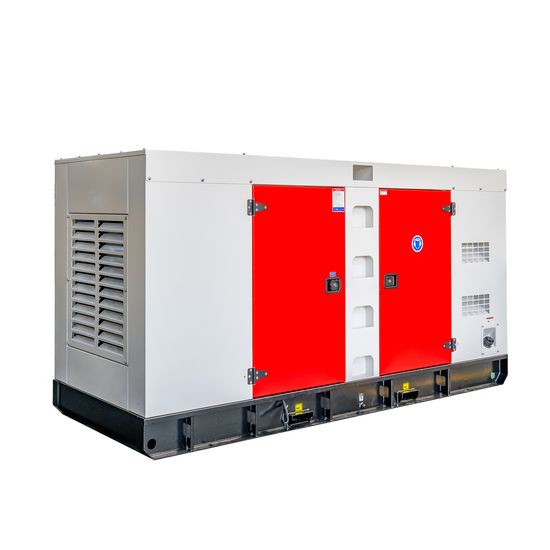


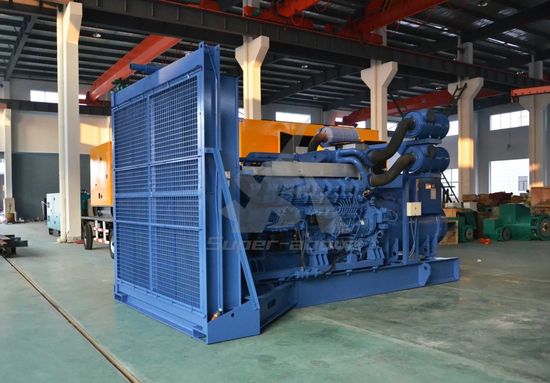


When evaluating a Stanford-type generator (alternator), you must prioritize the Excitation System, typically featuring AS440 or MX341 AVR (Automatic Voltage Regulators) to ensure voltage stability within ±1.0%. Ensure the unit uses 100% electrolytic copper wiring rather than copper-clad aluminum to prevent overheating. The insulation class should be Class H, providing superior thermal resistance for continuous industrial operation. Additionally, verify the IP23 protection rating for standard environments or higher for harsh conditions.
For global trade, the generator must adhere to IEC 60034-1 standards for rotating electrical machines. If exporting to Europe, CE marking is mandatory, while UL or CSA certification is required for North American markets. You should also request ISO 9001:2015 certification from the manufacturer to ensure consistent production quality and ISO 8528 for the complete generator set performance.
Stanford generators are versatile, ranging from 10kVA to over 3000kVA. They are commonly used as prime power sources for remote mining sites and construction, or as standby emergency power for hospitals and data centers. For telecommunications, look for units with low THD (Total Harmonic Distortion) < 5% to protect sensitive electronic equipment. Always calculate your peak starting load (especially for motor loads) to ensure the alternator is not undersized.
Distinguish between original Stamford (Cummins Generator Technologies) and high-quality 'Stanford-type' replacements. Request factory dynamic balance test reports and stator/rotor vacuum pressure impregnation (VPI) records. A high-quality supplier on Made-in-China.com should provide a warranty of at least 12-24 months and offer third-party pre-shipment inspections (like SGS or BV) to verify the internal components match the technical data sheet.
The main risks include damage during transit and specification mismatch. To mitigate these, insist on seaworthy vacuum packaging with moisture-proof silica gel and robust wooden crates. Use Trade Assurance services on Made-in-China.com to secure your payment until the Bill of Lading is confirmed, and always define clear technical Annexes in your contract to avoid 'bait and switch' on component brands.
Focus on the Total Cost of Ownership (TCO) rather than just the unit price. Negotiate for spare parts kits (AVRs, diodes, bearings) to be included in the bulk price, which reduces long-term maintenance costs. For orders exceeding 10 units, aim for a 10-15% volume discount and request OEM branding/color customization at no extra cost to enhance your local market presence.
Due to the significant weight, FCL (Full Container Load) is the most economical and safest method to prevent shifting. If shipping LCL (Less than Container Load), ensure the unit is bolted to a heavy-duty pallet. For international trade terms, FOB (Free On Board) is recommended if you have a reliable forwarder, but CIF (Cost, Insurance, and Freight) is often more convenient for first-time buyers to ensure the cargo is insured against maritime perils.
Prioritize Audited Suppliers on Made-in-China.com, as these companies have undergone on-site verification of their facilities and legal status. Always conduct a video factory audit to see the testing lab in action. Ensure the payment terms are structured (e.g., 30% deposit, 70% against BL copy) and never wire full payments to personal bank accounts; always use the official corporate account listed on the platform.