
Satisfies 1 requirement
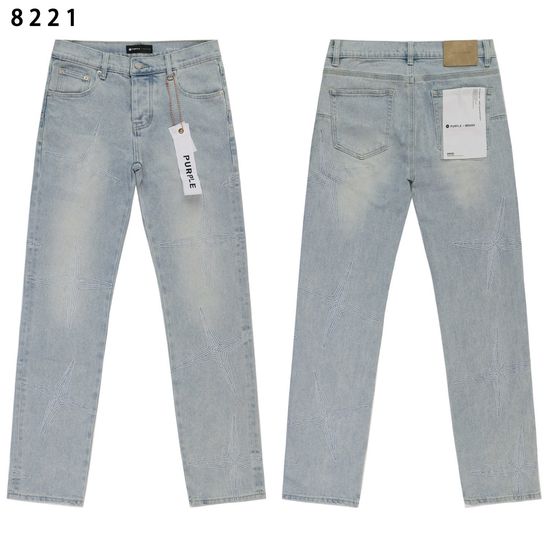
Wholesale High Quality Designer Jeans Cotton Straight Leg Custom Ripped Slim Fit Skinny Jeans Men
US$5.00-20.00
1 piece(MOQ)

I have found results from7000+products and2000+suppliers aboutSkinny man jeans



When sourcing skinny jeans, the fabric composition is the most critical factor. Look for a blend of 98% cotton and 2% elastane (Spandex) to ensure the necessary stretch and shape recovery. For 'super skinny' fits, an elastane content of 3% to 5% is preferred. Additionally, verify the fabric weight, typically measured in ounces; 10oz to 12oz is standard for year-round retail, while 13oz+ is considered heavy-duty premium denim. Ensure the use of reinforced stitching (twin-needle topstitching) at stress points like the crotch and pockets to prevent tearing.
Quality validation should focus on colorfastness and chemical safety. Request test reports confirming the product meets ISO 105-C06 standards for color loss during washing. For distressed or 'ripped' styles, ensure that laser-cutting technology or hand-sanding is used rather than harsh chemical blasting, which can weaken the fibers. It is essential to confirm that the supplier complies with REACH (EU) or CPSIA (US) regulations regarding azo dyes and heavy metal content in the metal buttons and rivets.
Modern buyers prioritize shape retention technology, which prevents the jeans from 'bagging out' at the knees after a few hours of wear. High-quality suppliers use dual-core or T400 polyester yarns to enhance elasticity. Furthermore, check for YKK or equivalent high-grade zippers and anti-rust electroplated hardware. For the 'tech-wear' segment, consider sourcing jeans with water-repellent coatings or moisture-wicking properties.
All garments must have a permanent care label and fiber content label in the language of the destination country. For the US market, a Registered Identification Number (RN) or the manufacturer's name is required. For the EU, ensure compliance with Textile Regulation (EU) No 1007/2011. If you are marketing the products as 'Eco-friendly,' the supplier must provide GOTS (Global Organic Textile Standard) or OEKO-TEX Standard 100 certifications to back these claims.
Size discrepancy is the leading cause of returns in cross-border e-commerce. You should provide a detailed tech pack with specific measurements for waist, inseam, rise, and thigh. Always request a pre-production sample (PPS) and perform a 'wash test' to measure shrinkage rates, which should not exceed 3-5%. Utilizing a third-party inspection service at the factory before shipment is highly recommended to verify that the bulk production matches the approved size chart.
Focus on Total Cost of Ownership (TCO) rather than just the unit price. Negotiate based on volume tiers; for example, a 500-piece order should yield a 10-15% discount compared to a 50-piece MOQ. Discuss payment terms such as a 30% deposit and 70% balance after passing a third-party inspection. For long-term partnerships, ask for OEM/ODM customization (custom buttons/tags) to be included in the unit price for orders exceeding 1,000 units.
Denim is heavy and susceptible to moisture and mold during sea freight. Ensure the supplier uses silica gel desiccant packets in every individual polybag and uses heavy-duty moisture-proof cartons. For high-turnover e-commerce, consider FBA (Fulfillment by Amazon) prep services offered by many Chinese suppliers to ensure goods are barcoded and palletized correctly before reaching the destination warehouse.
Always conduct transactions through secure payment channels and prioritize Audited Suppliers on Made-in-China.com who have undergone on-site verification by independent agencies like SGS or Bureau Veritas. Review the supplier's Business License and Export License to ensure they are a legitimate manufacturing entity rather than an unlicensed middleman. Using Trade Assurance style services can provide a safety net for your capital in case of non-delivery or quality disputes.