
Satisfies 1 requirement
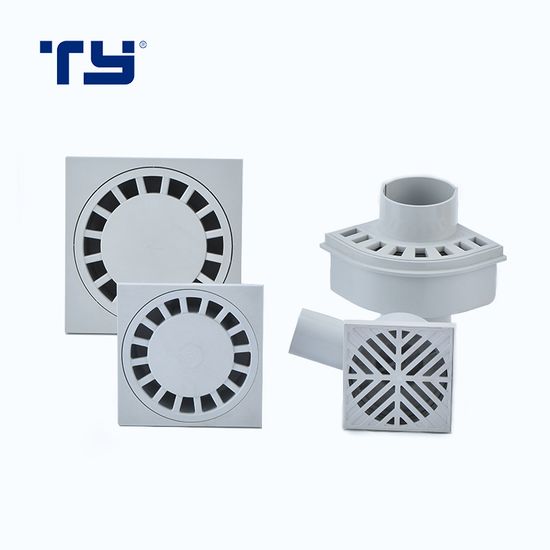
Factory Wholesale PVC 50/75/110/160 External Insert Cleaning Outlet Drain Plug Plastic Pipe Fittings
US$10.00-30.00
200 Boxes(MOQ)

I have found results from10000+products and7000+suppliers aboutPvc drain fittings




When sourcing PVC drain fittings, you must prioritize Schedule 40 or Schedule 80 thickness depending on the pressure requirements. Ensure the material is unplasticized polyvinyl chloride (uPVC) for superior chemical resistance and structural rigidity. Key dimensions to verify include the nominal pipe size (NPS) and the socket depth, which must comply with ASTM D2665 for DWV (Drain, Waste, and Vent) applications to ensure leak-proof solvent weld joints.
Compliance is critical for market entry. For the North American market, look for NSF/ANSI 14 certification and UPC (Uniform Plumbing Code) stamps. For European markets, fittings should meet EN 1329 standards. Always request ISO 9001:2015 quality management certificates from the manufacturer to ensure batch-to-batch consistency and CE marking where applicable for safety and environmental protection.
Buyers should request a Material Data Safety Sheet (MSDS) and results from hydrostatic pressure tests. For drainage systems, verify the Vicat softening temperature (should be >79°C) to ensure the fittings can handle hot water discharge without deformation. Additionally, confirm the UV stabilizer content if the fittings will be stored or installed in areas with direct sunlight exposure to prevent brittleness.
Specialty fittings like expansion joints, sweep tees, and P-traps with cleanouts significantly reduce installation labor and maintenance costs. Sourcing pre-fabricated manifolds can improve system flow efficiency and reduce the number of potential leak points. Ensure the supplier provides CAD or BIM models to facilitate accurate integration into your architectural designs.
The biggest risk is dimensional variance, where fittings do not snugly fit pipes from different regions. Mitigate this by ordering physical samples and using Go/No-Go gauges during pre-shipment inspections. Another risk is brittleness due to excessive filler (calcium carbonate); ensure your contract specifies a minimum PVC resin content and conduct a drop test at low temperatures to verify impact resistance.
PVC is a commodity sensitive to raw material resin price fluctuations. Negotiate a formula-based pricing model linked to global PVC resin indices for long-term contracts. For MOQs, many suppliers offer mixed-container loads, allowing you to combine different types of elbows, tees, and couplings to meet the volume requirement while maintaining a lean inventory.
PVC fittings are lightweight but bulky, making freight volume a major cost driver. Request nested packaging where smaller fittings are placed inside larger ones to optimize container space. Ensure the use of double-walled corrugated boxes and palletization with shrink wrap to prevent crushing and scuffing during multi-modal transit. For sea freight, specify FOB (Free On Board) terms to maintain better control over shipping costs and schedules.
Always utilize the Secured Trading services provided by Made-in-China.com to protect your payments. Conduct a factory audit (either in-person or via a third-party agency like SGS or Intertek) to verify the supplier's production capacity and export license. Ensure that the Proforma Invoice (PI) clearly states the HS Code (typically 3917.40) to avoid customs delays and incorrect duty applications.