
Satisfies 1 requirement
Comfortable Leather Office Chair with Plywood Frame and Polyester Filling
US$120.00-123.60
1 Piece(MOQ)

I have found results from20000+products and9000+suppliers aboutPlywood chair back


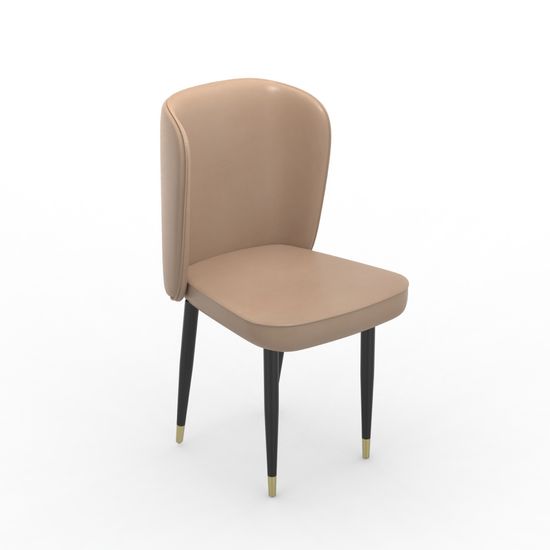


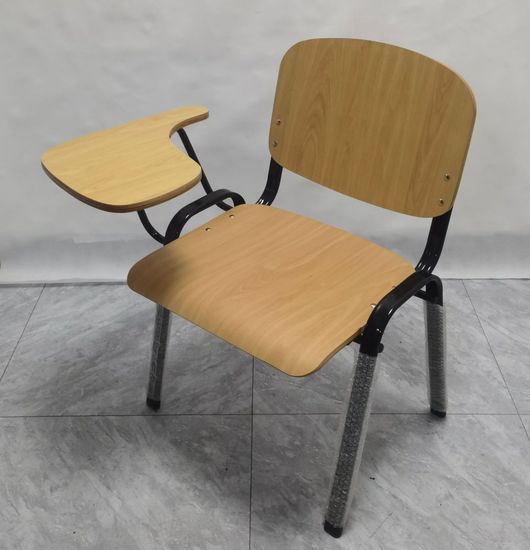


When evaluating plywood chair backs, the most critical factor is the veneer quality and bonding strength. Ensure the supplier uses Grade A or B face veneers (such as Birch, Oak, or Walnut) to avoid surface defects. The thickness tolerance should be strictly controlled within ±0.3mm to ensure compatibility with chair frames. Additionally, verify the bending radius capability; high-quality manufacturers use high-frequency pressing technology to ensure the curves are ergonomic and do not lose shape over time.
Compliance is non-negotiable in the furniture industry. You must ensure the products meet Formaldehyde Emission Standards, specifically CARB Phase 2 (California Air Resources Board) for the US market or E0/E1 standards for Europe. For sustainable sourcing, look for FSC (Forest Stewardship Council) certification to guarantee the wood originates from responsibly managed forests. If the chairs are for commercial use, confirm the plywood meets BIFMA (Business and Institutional Furniture Manufacturers Association) durability and safety benchmarks.
Durability is determined by the adhesive type and pressing process. Request the use of WBP (Water Boiled Proof) glue or Phenolic resin if the chairs will be used in high-humidity environments. Ask for delamination test reports, where samples are soaked or boiled to ensure the layers do not separate. Furthermore, check the cross-banding structure (alternating grain directions), which provides the necessary tensile strength to prevent cracking under the weight of a seated person.
A competent supplier should offer OEM/ODM services, including custom mold development based on your CAD or 3D files. Look for finishing options such as UV painting, HPL (High-Pressure Laminate) pressing, or natural wood oiling. For high-end projects, inquire about CNC precision cutting for intricate hole patterns or branding via laser engraving directly onto the plywood surface.
The biggest risks are moisture damage during transit and quality inconsistency. To mitigate these, require suppliers to use silica gel desiccant packets and palletized packaging with moisture-proof film. Conduct a Pre-Shipment Inspection (PSI) through a third party to verify that the moisture content of the wood is between 8% and 12% to prevent warping or mold growth during sea freight.
Focus on Total Landed Cost. While the unit price is important, negotiate based on container utilization; for example, a 40HQ container significantly lowers the per-unit shipping cost compared to LCL. For MOQs, if you are a new buyer, suggest a trial order of 200-500 pieces with the agreement to increase volume once quality is verified. Always use Made-in-China.com's Secured Trading services to protect your payment until the goods pass inspection.
Wood products often require a Phytosanitary Certificate and a Fumigation Certificate depending on the destination country's regulations (e.g., ISPM 15 standards for wood packaging). Ensure your supplier provides a detailed Packing List and Commercial Invoice with the correct HS Code (typically 4412 for plywood) to avoid customs delays and ensure accurate duty calculations.
Prioritize Audited Suppliers who have undergone on-site inspections by third-party agencies like SGS, Bureau Veritas, or TÜV Rheinland. Review their Audit Reports specifically for their production capacity and machinery. Check their export history to see if they have experience shipping to your specific region, as this indicates familiarity with your local quality standards and logistics requirements.