
Satisfies 1 requirement
Best Price Easy Used Magnetic Motor Inverter 24volt DC Generator for Sale
US$218.00-288.00
30 Pieces(MOQ)

I have found results from40000+products and10000+suppliers aboutMagnetic motor generator


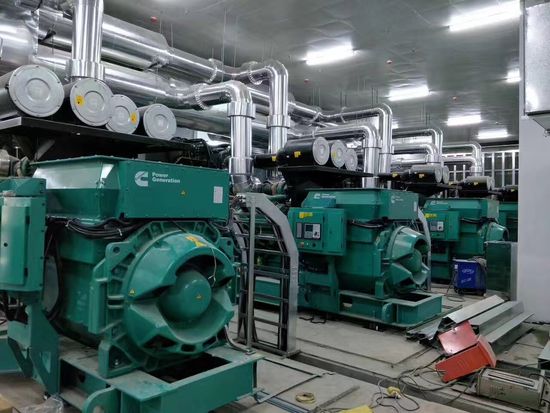


When selecting a magnetic motor generator, you must prioritize Power Output (kW/kVA) and Voltage Stability. Ensure the unit features High-Grade Neodymium (NdFeB) Magnets, specifically N42 grade or higher, to ensure maximum magnetic flux density and longevity. Additionally, verify the Rated Speed (RPM) and whether the generator uses a Brushless Design, which significantly reduces maintenance needs and electromagnetic interference.
Look for suppliers that provide Efficiency Ratings of 90% or above. It is critical to request Load Test Reports and Thermal Performance Data to ensure the generator does not overheat during continuous operation. High-quality units should incorporate Advanced Cooling Systems (air or liquid) and Low-Loss Silicon Steel Sheets in the stator core to minimize energy dissipation.
For global markets, the product must hold CE Certification (for Europe) or UL Listing (for North America). Since these are electrical rotating machines, compliance with IEC 60034 standards is essential. Additionally, ensure the manufacturer follows ISO 9001 Quality Management Systems and provides RoHS compliance for environmental safety regarding the materials used in the magnets and wiring.
These units are primarily used in Renewable Energy Systems (such as wind turbines or small hydro plants), Emergency Backup Power for telecommunications, and Industrial Automation. They are also increasingly sought after for Electric Vehicle (EV) Charging Stations and Off-grid Power Solutions due to their high power density and reliability.
Magnetic materials are classified as Dangerous Goods (Class 9) for air freight if the magnetic field strength exceeds certain limits. You must ensure the supplier provides Magnetic Shielding Packaging and a Non-Magnetic Inspection Report (DGM report) to avoid shipment rejection. For sea freight, ensure Anti-Corrosion Packaging (VCI bags) is used to prevent the permanent magnets from oxidizing in humid maritime environments.
Always utilize the Secured Trading Services offered by Made-in-China.com to protect your payments. Negotiate a payment structure of 30% deposit and 70% balance after third-party inspection but before shipment. Explicitly define Performance Guarantees in the contract, stating that the final payment is contingent upon the generator meeting the specified Voltage and Wattage outputs during a video-verified factory test.
The most common risk is Material Substitution, where a supplier uses lower-grade magnets (e.g., N35 instead of N45) to reduce costs, leading to a 20-30% drop in actual power output. To mitigate this, hire a Third-Party Inspection Agency (like SGS or Intertek) to perform a Gauss Meter Test on the magnets and a Full-Load Endurance Test before the goods leave the factory.
Be aware of Anti-Dumping Duties and Tariffs on rare-earth permanent magnets, which vary significantly between China, the US, and the EU. Check the HS Code (typically 8501.61) against your country's latest trade tariff schedule. Additionally, ensure the supplier provides a Certificate of Origin to help you leverage any existing Free Trade Agreements (FTAs) that might reduce import duties.