
Satisfies 1 requirement
Waterproof Nylon Fabric for Bag Making 70d 210t with Dwr Coating for Sportswear Lingerie Garments Woven PU Coated Nylon Material
US$0.98-1.66
1,000 Meters(MOQ)

I have found results from30000+products and9000+suppliers aboutLingerie fabric


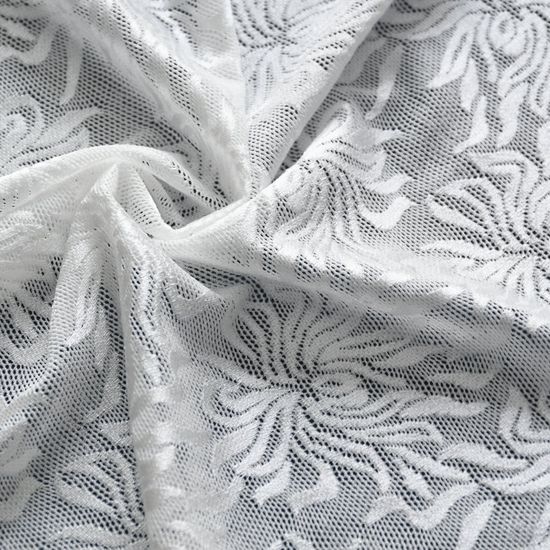


When selecting lingerie fabric, prioritize composition and weight (GSM). For intimate apparel, a blend of 80-90% Nylon and 10-20% Spandex (Elastane) is standard for stretch and recovery. Ensure the weight ranges between 140-220 GSM depending on whether it is for lightweight lace or supportive shapewear. Additionally, verify the moisture-wicking properties and breathability to ensure wearer comfort.
Compliance is critical due to direct skin contact. You must ensure the fabric meets OEKO-TEX® Standard 100, which guarantees the absence of harmful substances. For the US market, compliance with CPSIA (if for children's sleepwear) is necessary, while the EU market requires adherence to REACH regulations regarding chemical dyes and Azo-free certifications.
Focus on bursting strength and colorfastness. Request lab reports for colorfastness to washing and perspiration (Grade 4 or higher) to prevent staining. For lace, inspect the selvage integrity and ensure there are no broken filaments. A shrinkage rate of less than 5% is essential to maintain garment sizing after repeated laundering.
High-performance fabrics should feature anti-bacterial and anti-odor treatments, particularly for gusset linings. For seamless lingerie, look for high-gauge knitting (40G or above) to provide a smooth, 'second-skin' feel. If sourcing for bras, ensure the fabric has low-stretch stability in specific directions to provide necessary structural support.
Color consistency is a major risk in textile sourcing. Always request a Lab Dip (A/B/C samples) for approval before mass production. Insist on a 'Golden Sample' from the current production batch and use Made-in-China.com's Inspection Service to verify that the bulk cargo matches the approved color under standard light sources (D65/TL84).
Focus on MOQ (Minimum Order Quantity) flexibility and lead times. Many suppliers offer lower MOQs for 'ready-to-ship' colors but require 1,000+ meters for custom dyeing. Negotiate a staged payment plan (e.g., 30% deposit, 70% against BL copy) and utilize Secured Trading services to protect your funds until the quality is verified.
Lingerie fabrics, especially fine lace, are prone to snagging and moisture damage. Require the supplier to use double-layer packaging: an inner transparent PE bag and an outer durable woven bag. Ensure rolls are packed on pallets for LCL (Less than Container Load) shipments to prevent crushing and facilitate easier customs inspections.
Be aware of Anti-Dumping Duties (ADD) and Rules of Origin. Some countries impose higher tariffs on synthetic fibers from specific regions. Always confirm the HS Code (typically Chapter 60 for knitted fabrics) with your customs broker to calculate accurate duties and ensure the supplier provides a Certificate of Origin to leverage any applicable Free Trade Agreements (FTAs).