
Satisfies 1 requirement
High-Voltage Disconnector 12kv 24kv 36kv Dcd Outdoor High-Voltage Disconnector
US$120.00-300.00
1 Set(MOQ)

I have found results from40000+products and10000+suppliers aboutHigh voltage disconnectors price


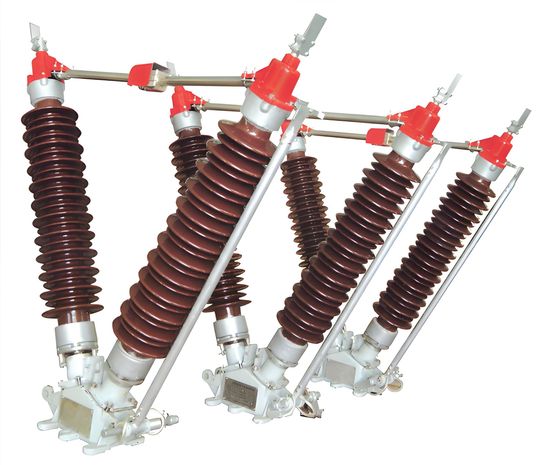
When sourcing HV disconnectors, the price is primarily driven by Rated Voltage (kV) and Rated Current (A). You must specify whether you need 72.5kV, 126kV, 252kV, or 550kV models. Additionally, the Short-time withstand current (kA) and Peak withstand current significantly impact the structural robustness and cost. Ensure the equipment uses silver-plated copper contacts with a thickness of at least 20μm to prevent oxidation and ensure long-term conductivity in outdoor environments.
Suppliers must adhere to IEC 62271-102 for alternating current disconnectors and earthing switches. For North American markets, IEEE C37.30.1 compliance is mandatory. Ensure the manufacturer provides Type Test Reports from accredited laboratories (like KEMA or CESI) covering temperature rise, dielectric tests, and mechanical endurance. Products without these certifications may be cheaper but pose significant operational risks and legal liabilities.
The installation site's Pollution Level (Class I-IV) dictates the Creepage Distance of the insulators. For coastal or industrial areas, you must specify porcelain or composite insulators with higher salt-mist resistance, which will increase the unit price. Furthermore, if the disconnector is for seismic zones, the support structure must meet IEEE 693 high-level earthquake standards. Always confirm the operating temperature range, typically -40°C to +45°C, to ensure mechanical reliability in extreme climates.
Manual mechanisms are cost-effective for rarely operated rural substations, but Motorized Operating Mechanisms (MOM) are standard for modern smart grids to allow remote SCADA control. Motorized versions include auxiliary switches, interlocking magnets, and heating elements to prevent condensation, typically adding 15-25% to the base price. Verify that the motor voltage (e.g., 110V/220V DC) is compatible with your substation's battery bank.
Utilize Secured Trading Services provided by Made-in-China.com to ensure payment is only released upon proof of shipment. For high-voltage equipment, it is critical to hire a third-party inspection agency (like SGS or Intertek) to perform a Factory Acceptance Test (FAT) before the balance payment. This ensures the equipment meets the specific technical parameters agreed upon in the contract before it leaves the country.
Focus on Total Cost of Ownership (TCO) rather than just the initial purchase price. Negotiate for extended warranties (24-36 months) and the inclusion of essential spare parts (e.g., limit switches, contact fingers). If purchasing in volume, ask for tiered pricing; for example, a 50-unit order can often yield a 10-15% discount compared to a single-unit prototype order. Also, clarify if the price includes seaworthy wooden crate packaging, which is vital for preventing porcelain breakage during transit.
HV disconnectors are often Over-Dimensional Cargo (ODC). Ensure the supplier provides a detailed Packing List with precise dimensions and weights to avoid surprise surcharges at the port. Use FOB (Free On Board) terms to maintain control over the shipping line and insurance. Ensure the HS Code (typically 853530) is correctly declared to align with your local country's import tariffs and energy equipment regulations.