
Satisfies 1 requirement
High End Zebra Blind Fabric for a Modern and Stylish Window Fashion
US$0.80-3.00
300 Square Meters(MOQ)

I have found results from200000+products and60000+suppliers aboutHigh fashion fabric


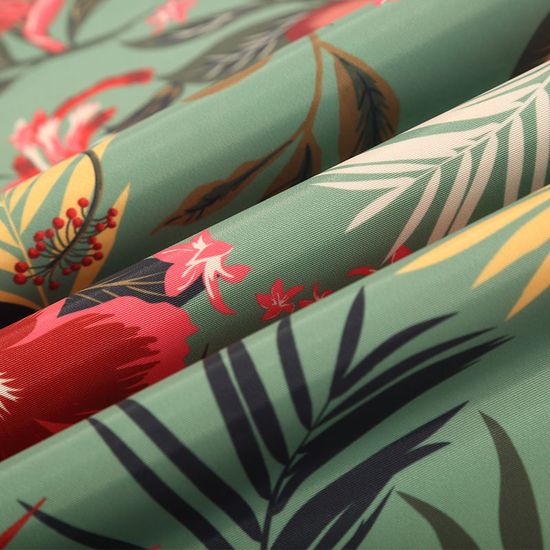


When evaluating high fashion fabrics, you must prioritize fiber composition, fabric weight (GSM), and weave structure. For luxury garments, ensure the silk grade is 6A or higher, or if using synthetics, look for high-tenacity yarns that mimic natural lusters. Colorfastness to light and washing should meet a minimum of Grade 4 on the grayscale to prevent fading. Additionally, verify the drape coefficient to ensure the material aligns with the intended silhouette of the fashion design.
To ensure market access and consumer safety, fabrics should ideally carry the OEKO-TEX® Standard 100 certification, which guarantees the absence of harmful substances. For sustainable fashion lines, look for GOTS (Global Organic Textile Standard) or GRS (Global Recycled Standard) certifications. If exporting to the EU, compliance with REACH regulations is mandatory, while US-bound goods must adhere to FTC fiber labeling requirements and CPSC flammability standards (16 CFR Part 1610).
Always request a strike-off (for prints) or a lab dip (for solid colors) to approve color accuracy under standard lighting (D65). It is critical to perform a shrinkage test; high fashion fabrics should have a residual shrinkage of less than 3%. For delicate materials like lace or chiffon, request a seam slippage test report to ensure the fabric can withstand garment construction without tearing at the needle holes.
Modern high fashion often integrates functionality with aesthetics. Consider fabrics with anti-static finishes to improve drape, moisture-wicking treatments for luxury athleisure, or wrinkle-resistant coatings for travel-wear collections. Digital textile printing (DTP) is also a key technology, allowing for unlimited color palettes and low water consumption, which appeals to eco-conscious high-end brands.
Quality variance between sample and bulk is a common risk. To mitigate this, utilize third-party inspection services (like SGS or Intertek) to conduct During Production Checks (DUPRO) and Final Random Inspections (FRI). Ensure your contract specifies that the bulk must match the approved 'Golden Sample'. For secure transactions, use Made-in-China.com's secured payment services to ensure funds are only released upon successful quality verification.
Focus on Total Cost of Ownership (TCO) rather than just the price per meter. Negotiate for lower MOQs on trial colors in exchange for a commitment to larger volumes on core colors. Ask for selvage branding (weaving your brand name into the fabric edge) as a value-add for high-end positioning. Always clarify lead times for greige fabric availability versus finished fabric to avoid production bottlenecks.
High fashion fabrics are susceptible to moisture and pressure damage. Insist on double-layer plastic wrapping and sturdy cardboard tubes to prevent creasing. For sea freight, specify the use of desiccant silica gel packs inside containers to prevent 'container rain' and mold. For high-value silks or hand-embroidered fabrics, air freight is recommended to minimize transit time and handling risks.
Stay informed about Rules of Origin under various Free Trade Agreements (FTAs), which can significantly reduce import duties. Check the Harmonized System (HS) Codes (typically Chapter 50-60) to calculate accurate tariffs. Be aware of anti-dumping duties that may apply to specific synthetic fibers originating from certain regions, and ensure your supplier provides a comprehensive Certificate of Origin.