
Satisfies 1 requirement
Vacuum Packed or Carton with Inner Bag According Buyer Request Roasted Raw/Fried Blanched Groundnut/Peanut
US$1,100.00-1,500.00
1 Ton(MOQ)

I have found results from2000+products and700+suppliers aboutGroundnut buyer companies


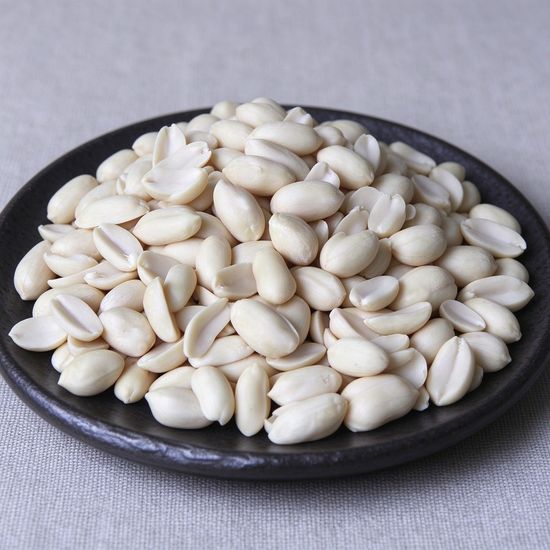

Buyers must prioritize moisture content (ideally <8%) to prevent mold growth and Aflatoxin levels, which must strictly adhere to the destination country's safety limits (e.g., <4ppb for the EU). Evaluate the count per ounce (28/32, 38/42, etc.) to ensure size uniformity, and check for purity levels (minimum 99% for human consumption). Requesting a Phytosanitary Certificate and a Certificate of Analysis (COA) from a third-party lab like SGS or Intertek is essential for quality validation.
Compliance is driven by food safety regulations. Ensure the supplier is HACCP or ISO 22000 certified to guarantee a robust food safety management system. For the US market, FSMA compliance is required, while for the EU, adherence to RASFF (Rapid Alert System for Food and Feed) guidelines is critical. Additionally, verify if the packaging meets ISPM 15 standards if wooden pallets are used, and ensure labels include origin, grade, and allergen warnings.
Pricing is highly sensitive to seasonal harvests and global market fluctuations. To optimize costs, consider bulk purchasing during peak harvest months (e.g., post-October in many regions) to secure lower rates. Analyze the Total Cost of Ownership (TCO), including ocean freight, import duties, and inland logistics. Utilizing Incoterms like FOB (Free On Board) allows buyers more control over shipping costs compared to CIF, potentially reducing the overall expenditure for large-scale importers.
Usage scenarios vary from direct snacking (HPS grade) to oil extraction (crushing grade) and peanut butter manufacturing. For industrial buyers, technical compatibility with processing machinery is key; for instance, oil crushers prioritize oil content (>48%), while snack manufacturers focus on skin integrity and blanching ease. Ensure the supplier provides vacuum-sealed or jute bag packaging depending on the transit time to maintain freshness.
The biggest risks are Aflatoxin contamination and weight loss due to moisture evaporation. Mitigate these by implementing Pre-shipment Inspection (PSI) and using Letter of Credit (L/C) as a payment method to ensure funds are only released upon presentation of compliant shipping and quality documents. Always source from verified gold suppliers on Made-in-China.com who have a proven track record in agricultural exports.
Focus on long-term contract pricing rather than spot-market buys to hedge against price volatility. Negotiate for flexible MOQ (Minimum Order Quantity) for the first shipment to test quality. Demand transparency in the supply chain, asking for the specific farm origin or processing plant location to ensure traceability, which is a high-value bargaining chip in modern food trade.
Groundnuts are perishable; therefore, ventilated containers or moisture-absorbent bags (Dry-Bags) should be used to prevent 'container sweat.' Ensure the shipping documents include a Bill of Lading, Commercial Invoice, Packing List, and Insurance Certificate. For transaction security, use secure payment gateways and avoid direct wire transfers to unverified accounts; platforms like Made-in-China.com offer trade security services that protect the buyer's interests.