
Satisfies 1 requirement
Good Price DC/AC Inverters Three Grid Tie Solar Power System Solis Inverter
US$700.00-800.00
1 Piece(MOQ)

I have found results from10000+products and8000+suppliers aboutGrid tie inverter price


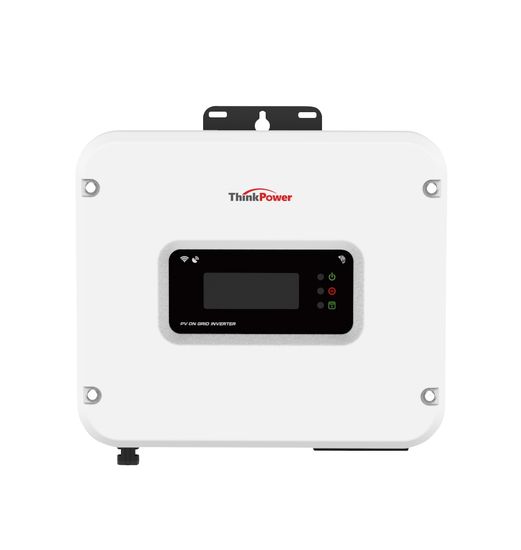


When comparing prices, you must look beyond the initial cost and evaluate Conversion Efficiency (ideally >97%), MPPT (Maximum Power Point Tracking) efficiency, and Total Harmonic Distortion (THD <3%). A lower-priced inverter may lack dual MPPT trackers, which are essential for roofs with multiple orientations. Ensure the price includes a robust heatsink or active cooling system to prevent thermal derating, which can significantly impact long-term ROI.
Inverters that comply with international grid-tie standards such as IEEE 1547, UL 1741, or EN 50549-1 often command a premium due to rigorous testing. For B2B buyers, ensuring the product has Anti-Islanding protection and CE/TUV certification is non-negotiable for legal grid connection. Cheaper, non-certified units pose significant legal and safety risks, potentially leading to grid rejection or fire hazards.
String Inverters generally offer the lowest cost per watt and are ideal for large-scale commercial projects with uniform sunlight. Conversely, Micro-inverters have a higher upfront price but provide better shade tolerance and panel-level monitoring, which can reduce maintenance costs over a 25-year lifecycle. Buyers should perform a Levelized Cost of Energy (LCOE) analysis rather than focusing solely on the purchase price.
A standard Grid Tie Inverter should offer a 5 to 10-year warranty, with options to extend to 20 years. If a price seems unusually low, verify if the manufacturer provides local after-sales support or a RMA (Return Merchandise Authorization) process. A cheap inverter with no warranty support can lead to costly downtime and replacement expenses that far exceed the initial savings.
The biggest risks include incompatibility with local grid voltage/frequency and counterfeit power components (like IGBTs). Always request a factory audit report and verify the supplier's history on Made-in-China.com. Use Trade Assurance or secure payment terms to protect your capital until the goods pass a Pre-Shipment Inspection (PSI).
Focus on Volume-Based Pricing tiers; for example, ordering a full container can often reduce the unit price by 10-15%. Negotiate for spare parts (1-2% of order value) to be included for free to handle minor field repairs. Clearly define Quality Acceptance Criteria in the contract to ensure the supplier does not swap high-end components for cheaper alternatives during mass production.
Inverters contain sensitive capacitors and PCBs; therefore, specify IP65-rated packaging and shock-absorbent pallets. Ensure the shipping terms (Incoterms) are clear; CIF or DAP is often preferred for buyers who want the supplier to handle the complexities of international transit insurance. For shipping to specific regions, verify if the supplier has experience with customs clearance requirements for renewable energy products to avoid port delays.