
Satisfies 1 requirement
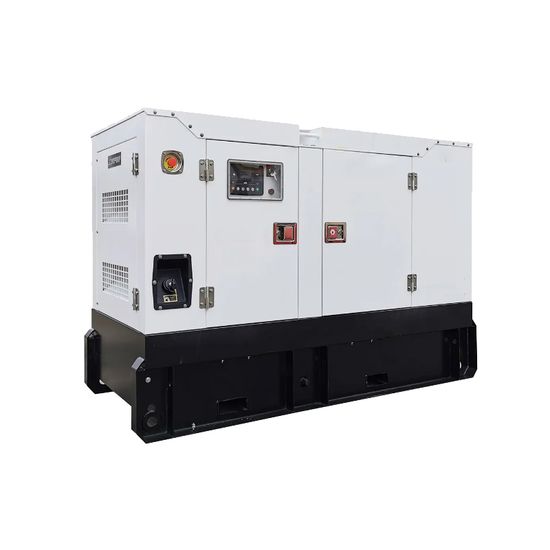
Water Cooled 3phase 500kVA 650kVA 700kVA 800kVA 1000kVA 800kw Silent 50kw 200kVA 250kVA Diesel Generator Guangzhou Fuelless Generator with Alternator
US$8,000.00-12,000.00
1 Piece(MOQ)

I have found results from400+products and100+suppliers aboutFuelless generator




When selecting a fuelless generator, you must prioritize Power Output (kW/kVA) and Battery Capacity (kWh). Ensure the Inverter Efficiency is above 90% to minimize energy loss. For industrial use, verify if the unit supports Pure Sine Wave output to protect sensitive electronic equipment. Additionally, check the Cycle Life of the internal storage (typically LiFePO4 batteries), aiming for at least 3,000 to 6,000 cycles for long-term economic feasibility.
Compliance is critical for safety and customs clearance. Ensure the product carries CE (LVD/EMC) for the European market or UL/ETL certification for North America. Since these units contain high-capacity batteries, UN38.3 certification and MSDS (Material Safety Data Sheet) are mandatory for international shipping. For environmental standards, verify RoHS compliance to ensure the absence of hazardous substances.
Fuelless generators, often referred to as Portable Power Stations or Solar Generators, should be evaluated based on their Charging Versatility (Solar, AC, or Car charging). For outdoor or construction scenarios, look for an IP65 rating for dust and water resistance. For backup power, ensure the unit has a UPS (Uninterruptible Power Supply) function with a switching time of less than 20ms to prevent data loss or equipment shutdown.
Unlike traditional diesel generators, fuelless units require minimal mechanical maintenance. However, to preserve battery health, the unit should be charged at least once every 3-6 months during storage. Ensure the BMS (Battery Management System) provides protections against over-voltage, short-circuits, and thermal runaway to extend the product's lifespan.
Fuelless generators are classified as Class 9 Dangerous Goods due to their high-capacity lithium batteries. You must work with freight forwarders experienced in DG (Dangerous Goods) handling. Shipping costs can be significantly higher than general cargo, so it is recommended to use Sea Freight (LCL/FCL) for bulk orders to maintain cost-efficiency. Always confirm the HS Code (typically 8501 or 8507) with the supplier to determine accurate import duties.
Utilize the Secured Trading Services provided by Made-in-China.com to protect your payments. Before placing a large order, request a Factory Audit Report or a third-party inspection (such as SGS or Intertek) to verify the supplier's production capacity. Avoid direct wire transfers to private accounts; always use official corporate accounts verified by the platform.
Negotiate based on Tiered Pricing; for fuelless generators, a volume increase from 10 to 100 units can often yield a 15-20% discount. Discuss OEM/ODM customization early, such as branding and socket type (US, EU, UK, etc.), as these affect lead times. Request a spare parts kit (1-2% of order value), including replacement cables or fuses, to be included in the final price to reduce future after-sales costs.
Establish a clear Warranty Agreement (ideally 2-5 years for the battery). Since returning heavy units to China is cost-prohibitive, negotiate for replacement modules or local repair subsidies. Ensure the supplier provides English-language technical manuals and video troubleshooting guides to assist your end-users immediately.