
Satisfies 1 requirement
Sinotruk HOWO Tx 6X4 Hazardous Liquid Fuel Tanker Truck Anti-Explosion Device 20 Cubic Meter Oil Tank Truck Fuel Transportation Tanker with Safety Certification
US$22,000.00
1 Piece(MOQ)

I have found results from100000+products and40000+suppliers aboutFuel tank tanker
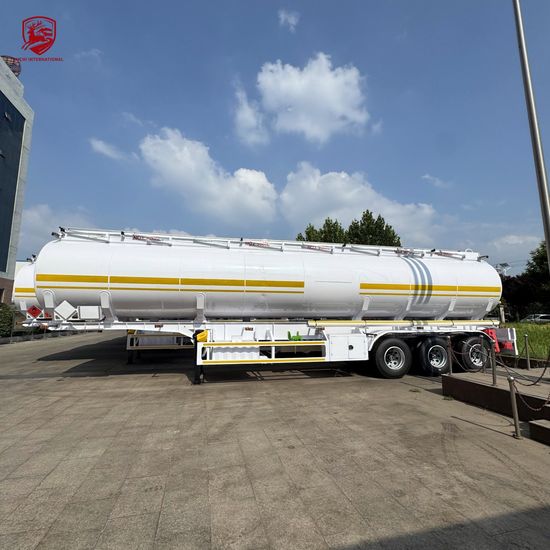


When procuring a fuel tanker, the material of the tank is paramount; options include Q235 carbon steel for cost-effectiveness, aluminum alloy for weight reduction and corrosion resistance, or stainless steel for specialized chemical transport. You must specify the tank volume (typically 20,000L to 55,000L) and the number of compartments, which allows for transporting different fuel grades simultaneously. Additionally, ensure the axle brand (e.g., BPW or FUWA) and suspension system (mechanical or air) are rated for the intended load and terrain.
Safety is the highest priority for hazardous goods transport. Ensure the manufacturer complies with ADR (European Agreement concerning the International Carriage of Dangerous Goods by Road) or equivalent regional standards. Key certifications include ISO 9001 for quality management and CCC (China Compulsory Certification). Verify that the tanker features explosion-proof manhole covers, emergency shut-off valves (bottom valves), and anti-static grounding systems to prevent accidents during loading and unloading.
Focus on the welding technology; look for suppliers using automatic longitudinal/circumferential welding to ensure seamless, leak-proof joints. The tank should undergo X-ray flaw detection and hydrostatic pressure testing to verify structural integrity. Furthermore, check the painting process, such as sandblasting and polyurethane coating, which provides essential anti-corrosion protection against harsh environmental conditions.
For high-efficiency operations, consider tankers equipped with pneumatic bottom loading systems, which reduce vapor loss and improve safety compared to top-loading. Integration of fuel flow meters (mechanical or digital) and heavy-duty hose reels is necessary for precise delivery. For fleet management, prioritize tankers that support GPS tracking and fuel level sensor integration to monitor cargo security in real-time.
Fuel tankers are oversized cargo. The most cost-effective methods are RORO (Roll-on/Roll-off) shipping or Bulk Cargo shipping. To prevent seawater corrosion during transit, insist that the supplier applies a thick layer of wax to the entire vehicle and covers it with waterproof tarpaulins. Always confirm the Incoterms (typically CIF or DAP) to clearly define where the risk transfers from the seller to the buyer.
Focus on the Total Cost of Ownership (TCO) rather than just the initial purchase price. Negotiate for extended warranties on the tank structure (e.g., 2-5 years) and the inclusion of vulnerable spare parts (seals, valves, gaskets) in the initial package. For bulk orders of 5 units or more, aim for a 5-10% price reduction or an upgrade to premium braking systems (ABS/EBS) at no extra cost.
Utilize third-party inspection services (such as SGS or BV) to conduct a pre-shipment inspection. They will verify the steel thickness, welding quality, and functional testing of the valves. For secure payments, use Letter of Credit (L/C) or platforms like Made-in-China.com that offer trade security services to ensure your funds are protected until the shipping documents are verified.
Before ordering, consult a local customs broker to confirm import duties and environmental emission standards (e.g., Euro IV vs. Euro VI) for the truck chassis if purchasing a complete unit. Ensure the supplier provides a Certificate of Origin, Commercial Invoice, and Detailed Packing List to avoid delays. Some countries also require a Pre-Export Verification of Conformity (PVoC) certificate before the vessel departs.