

Epoxy fiberglass rod
I have found results from10000+products and8000+suppliers aboutEpoxy fiberglass rod
Commonly Used:
US$
—
Customization Available
Sample Available
Manufacturer First
Product Attributes:
Type: Profiled
Type: Pipe
Telescopic Fishing Rod
Type: Rigid
Type: Epoxy FRP
Type: Hand Pole
Type: Flexible
Fiberglass Type: C-Glass
Certification: CCC
Winding Filament Roving
Electrical Power System
Maximum Voltage: >100KV
Color: Green
Flexibility: Rigid
Material: Fiberglass
Thermal Rating: B 130
Customized: Customized
Surface Treatment: Finished
Forming Way: Pultrusion
Shape: Round
Length(cm): >180Cm
Location: River
Power: Light
Action: MF
Handle Material: EVA
Weight(g): 152
Section: 4
Weave Type: Twill Woven
Alkali Content: Alkali Free
Usage: Industral
Kind: Plastic Bar
Diameter: 10 mm
Certification: RoHS
Certification: ISO
Application: Electronic Device
Application: Industrial Equipment
Application: Electrical Maintenance
High Voltage Testing
Home Appliance Repair
Application: Power Construction
Application: Automotive Harnessing
Application: Communication industry
Application: Machine Protection
Wire & Cable Protection
Maximum Voltage: 10KV~19KV
Maximum Voltage: 20KV~100KV
Maximum Voltage: <10KV
Color: Multi-Color
Material: Carbon
Fiber Reinforced Plastics
Material: Epoxy resin
Thermal Rating: E 120
Thermal Rating: F 155
Thermal Rating: H 180
Thermal Rating: 200 200
Surface Treatment: Polished
Power: Heavy
Action: M
Section: 1

Satisfies 1 requirement
Insulation Fiber Glass Epoxy Resin Fr4 Epoxy Fiberglass Rod for Sale
US$0.10-1.00
100 Pieces(MOQ)


Satisfies 1 requirement
High Strength G10 Fr4 3240 Epoxy Fiberglass Threaded Rod Bolt and Nut
US$0.125-12.50
100 Pieces(MOQ)

Satisfies 1 requirement
Epgc43 Epoxy Laminated Fiberglass Rod for Motor Insulation with UL94 V0
US$1.00-6.00
100 Pieces(MOQ)

Satisfies 1 requirement
Customized Pultrusion Profile Fiberglass Rod Epoxy Resin Reinforced Fiber Glass Rod
US$0.11-0.36
100 Meters(MOQ)

Satisfies 1 requirement
Epoxy Glass Rod Fiberglass Rod Electric Fence FRP Solid Fiberglass Rods
US$0.35-0.40
10,000 Pieces(MOQ)

Satisfies 1 requirement
High Strength FRP Rod 5 6 8 10 12mm Epoxy Fiberglass Rod
US$0.80-1.50
10 Meters(MOQ)

Satisfies 1 requirement
Eco Friendly Flexible Epoxy FRP Rod, Fiberglass Rod, Composite FRP Rod, Pultrusion FRP Round Rod, GRP Glass Fiber Solid Round Rod, FRP Solid Rod, Anchor Rod
US$0.19-0.20
500 Meters(MOQ)

Satisfies 1 requirement
High Strength FRP Rod Epoxy / Polyester Fiberglass Rod
US$0.10-0.12
1,000 Meters(MOQ)

Satisfies 1 requirement
Epoxy Resin Fiberglass Super Hard Telescopic Fishing Pole Fishing Rod
US$18.00
200 Pieces(MOQ)


Satisfies 1 requirement
Cut-to-Size Fr4 Epoxy Resin Bar Fiberglass Insulation Rod for DIY Projects
US$2.46-2.55
100 kg(MOQ)

Satisfies 1 requirement
High Strength Resin Reinforced Epoxy Pultruded Flexible Solid Fiber Glass Insulating Rods
US$2.00-3.00
100 kg(MOQ)

Satisfies 1 requirement
G10 FRP Epoxy Rod Plastic Fiberglass Insulating Accessory for Fuses
US$1.20-1.64
100 Pieces(MOQ)

Satisfies 1 requirement
Fiberglass Insulation Rod Fiberglass Epoxy Rod Epoxy Pultruded Rods
US$2.00-3.00
100 kg(MOQ)

Satisfies 1 requirement
Hot Goods Epoxy Fiberglass Pulling Rod Vs Moulded Rod
US$0.50-4.00
100 Pieces(MOQ)

Satisfies 1 requirement
FRP Rod Fiberglass Rod ECR Rod Epoxy/Corrosion Resistance Core Rod Materials for Insulators
US$2.00-2.60
10 kg(MOQ)

Satisfies 1 requirement
Good Quality Fr4 G10 Insulate Epoxy Glass Cloth Laminated Rod, Epoxy Rod, Epoxy Glass Sheet, Epoxy Resin Sheet, Fr4 Epoxy Glass Sheet, Epoxy Fiberglass Rod
Negotiable
200 Pieces(MOQ)
Satisfies 1 requirement
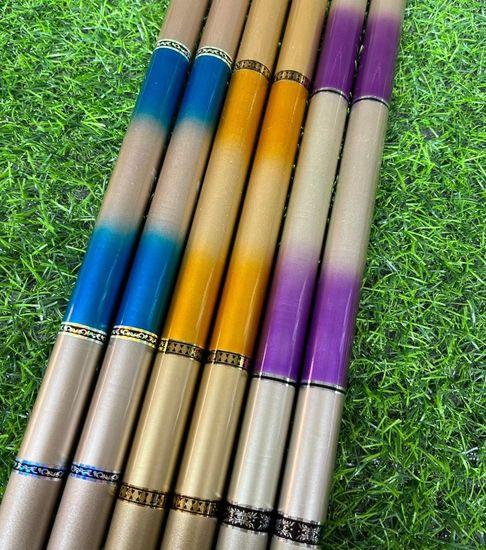
High-Performance Fiberglass Fishing Rod with Epoxy Resin Finish
US$0.93-0.95
200 Pieces(MOQ)

Satisfies 1 requirement
Easy-Machining Mechanical-Strong Insulating Epoxy Rod/Epoxy Fiberglass Rod
US$1.00-2.00
1 kg(MOQ)

Satisfies 1 requirement
Composite Insulator Core Rods/ Fiberglass Rods/ Epoxy Rods
US$2.00
500 Pieces(MOQ)

Satisfies 1 requirement
Excellent Mechanical Strength Flame Retardant Rigid Bar for Power Transformer Insulating Application Epoxy Pultruded Fiberglass Rod
US$2.99
500 kg(MOQ)

Satisfies 1 requirement
High Dielectric Strength Heat Resistant Solid Epoxy Fiber Insulation Rod for High Voltage Electrical Equipment Support Epoxy Pultruded Fiberglass Rod
US$2.99
500 kg(MOQ)

Satisfies 1 requirement
Epoxy Laminate Glass Fiber 5-100mm Heat Electrical Insulation Material Epoxy Fiberglass Rod Insulator
US$1.20-1.80
500 kg(MOQ)


Satisfies 1 requirement
Customized High-Strength Fire Retardant Epoxy Fiberglass Full Thread Studs and Nuts Insulation FRP Threaded Rod
US$2.98-3.00
1,000 Meters(MOQ)

Satisfies 1 requirement
Fiberglass-Reinforced Epoxy Rod, Good Arc Resistance, for High-Voltage Applications, OEM Service
US$5.50
1 kg(MOQ)


Satisfies 1 requirement
Epoxy Glass Fiber Rods Polyester Resin Fiberglass Reinforced Rod
US$0.14-0.38
3,000 Meters(MOQ)
Sourcing guidance for Epoxy Fiberglass Rod
What are the key technical specifications to consider when selecting Epoxy Fiberglass Rods?
When sourcing epoxy fiberglass rods (FRP/GRP), you must prioritize mechanical strength and electrical insulation. Key specs include tensile strength (typically >400MPa), flexural strength, and dielectric strength (usually ≥10kV/mm). Ensure the rods use alkali-free glass fiber (E-glass) and high-quality epoxy resin to prevent brittleness. For outdoor applications, verify the UV resistance and water absorption rate (ideally <0.1%) to ensure long-term structural integrity.
Which compliance standards are essential for international trade of fiberglass products?
Buyers should ensure products meet IEC 60660 for insulators or ASTM D3917 for pultruded glass-fiber-reinforced shapes. For the European market, RoHS and REACH compliance are mandatory to ensure the absence of hazardous substances. If used in construction, look for UL 94 V-0 flammability ratings to guarantee fire safety and self-extinguishing properties.
How can I verify the quality of the rods before bulk shipment?
Request a Third-Party Inspection (TPI) such as SGS or Intertek. Key tests should include a boiling water test to check for delamination, barcol hardness testing to verify resin cure, and dimensional tolerance checks (standard tolerance is usually ±0.05mm to ±0.1mm). Always ask for a Material Test Report (MTR) from the manufacturer for every batch.
What are the common usage scenarios for Epoxy Fiberglass Rods?
These rods are versatile and widely used in electrical insulation (stay rods, stand-offs), telecommunications (fiber optic cable strength members), infrastructure (rebar for corrosive environments), and sporting goods (tent poles, tool handles). For high-voltage environments, ensure the rods are void-free to prevent electrical tracking.
Cross-Border Procurement Risks and Strategies
How can I mitigate transaction risks when purchasing from overseas suppliers?
Utilize Secured Payment services provided by reputable platforms like Made-in-China.com to ensure funds are only released upon confirmation of receipt. Always sign a detailed Proforma Invoice (PI) that specifies the Incoterms (e.g., FOB, CIF), exact technical parameters, and penalty clauses for quality deviations or delivery delays.
What are the best practices for negotiating with fiberglass manufacturers?
Focus on Total Cost of Ownership (TCO) rather than just the unit price. Negotiate based on volume tiers; for example, increasing an order to a Full Container Load (FCL) can reduce shipping costs by 20-30% compared to LCL. Ask for customized lengths to reduce on-site cutting waste, which adds value without necessarily increasing the base material price.
What should I consider regarding shipping and logistics for long fiberglass rods?
Fiberglass rods are prone to surface scratching and snapping if improperly handled. Insist on reinforced wooden crate packaging rather than simple plastic wrapping. For rods exceeding 5.8 meters, you must use 40ft HQ containers; otherwise, you will face significant surcharges for 'overlength' cargo in LCL shipments.
How do international trade policies affect the sourcing of epoxy products?
Check for Anti-Dumping Duties (ADD) on glass fiber products in your specific country, as some regions impose high tariffs on Chinese fiberglass to protect local industries. Verify the HS Code (typically 7019) with your customs broker to accurately calculate import duties and VAT before finalizing the purchase.