
Satisfies 1 requirement
Customized Magnetic Gift Box with Paper Packaging and Inner Lining Card Printed
US$1.25-2.90
1,000 Pieces(MOQ)

I have found results from200000+products and80000+suppliers aboutCard box


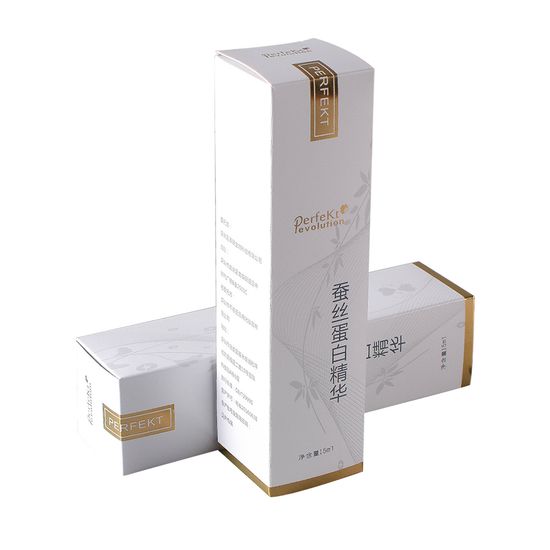

The choice of material depends heavily on the intended use. For trading card games (TCG) like Magic: The Gathering or Pokémon, PU leather (synthetic leather) with a microfiber lining is the industry standard for premium protection. For retail packaging or gift boxes, high-density paperboard (1200gsm or higher) with art paper lamination is preferred. If the box is for shipping or storage, corrugated cardboard (E-flute or B-flute) provides the necessary structural integrity to prevent crushing.
Standard trading cards are 63.5 x 88.9 mm, but you must account for sleeved or double-sleeved cards, which require a larger internal clearance (typically 67 x 92 mm or more). When sourcing, specify the internal dimensions rather than external. For bulk storage, verify the 'count' capacity (e.g., 80+, 100+, or 500+ cards) and ensure the closure mechanism, such as N52 neodymium magnets or friction-fit lids, is strong enough to hold the weight of the cards.
For the US market, ensure materials comply with CPSIA regarding lead and phthalate content, especially if marketed as toys. For the EU, REACH compliance is essential to ensure no harmful chemicals are present in the plastics or glues. If you are promoting sustainability, look for FSC (Forest Stewardship Council) certification for paper-based boxes to prove the wood pulp is sourced from responsibly managed forests.
To increase brand appeal, consider CMYK offset printing for complex graphics. Premium finishes like spot UV coating, foil stamping (gold/silver), and anti-scratch matte lamination significantly improve the tactile feel and durability. For high-end collectors, debossing or embossing the logo into PU leather adds a professional, luxury aesthetic that justifies a higher retail price point.
Always request a pre-production sample (PPS) to verify the fit and finish before the full run. Utilize third-party inspection services (like V-Trust or QIMA) to perform a During Production Check (DUPRO) or a Final Random Inspection (FRI). On platforms like Made-in-China.com, prioritize Audited Suppliers who have had their manufacturing facilities and business licenses verified by independent agencies like SGS or Intertek.
Focus on tiered pricing based on volume; for example, a 1,000-unit order may be 20% cheaper per unit than a 500-unit order. Negotiate payment terms such as a 30% deposit and 70% balance after inspection but before shipment. Clearly define the Defective Allowable Rate (DAR)—typically, a rate above 2% should trigger a credit or replacement clause in your contract.
Card boxes are 'light' but 'bulky' goods, meaning you are often charged by volumetric weight. To optimize costs, request flat-packed shipping for paperboard boxes to reduce volume. For rigid PU boxes, ensure the supplier uses double-walled corrugated outer cartons and corner protectors to prevent denting during sea freight. For urgent needs, Air Freight is faster but significantly more expensive; Sea-to-Door (DDP) is usually the most cost-effective for bulk B2B orders.
Use Secured Payment services provided by reputable B2B platforms like Made-in-China.com, which hold the funds in escrow until you confirm receipt of the goods. Avoid direct wire transfers to private bank accounts. Ensure all technical specifications, lead times, and refund policies are documented in a Proforma Invoice (PI) or a formal Sales Contract to provide legal recourse in case of disputes.