
Satisfies 1 requirement
Factory Price Car Door Sun Vent Visor Weather Shield Deflector
US$2.87-3.77
200 Pieces(MOQ)

I have found results from5000+products and2000+suppliers aboutCar door visors price


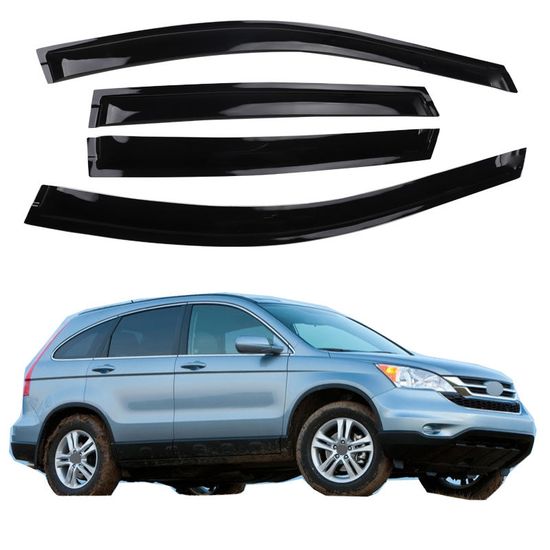


High-quality visors are typically made from Reinforced Acrylic (PMMA) or Polycarbonate (PC). Acrylic is preferred for its UV resistance and high transparency, ensuring the product does not yellow or become brittle over time. For heavy-duty applications, Polycarbonate offers superior impact resistance. Ensure the thickness is between 2.0mm to 3.0mm to prevent warping at high speeds.
There are two main types: In-Channel and Tape-On (External). In-channel visors provide a sleeker, OEM look and do not use exterior adhesives, but require precise engineering to avoid interfering with anti-pinch window sensors. Tape-on visors are easier to install; however, you must verify the use of genuine 3M automotive-grade adhesive to ensure the product remains secure at highway speeds and in extreme weather conditions.
Beyond basic rain protection, premium visors should feature an aerodynamic design to reduce wind noise (buffeting). Look for optical clarity—the driver’s peripheral vision should not be obstructed by dark tints. Additionally, check for heat reduction capabilities, as high-quality smoked or tinted acrylic can block a significant percentage of infrared radiation, keeping the cabin cooler.
Suppliers should ideally hold ISO 9001:2015 certification for quality management. For specific markets like the US or EU, ensure the materials meet REACH or RoHS standards for chemical safety. If the product is marketed as an OEM replacement, verify if the manufacturer follows IATF 16949 standards, which are specific to the automotive industry supply chain.
Car visors are fragile and prone to cracking under pressure. You should mandate five-layer corrugated export cartons and ensure each set is wrapped in EPE foam or bubble sleeves. For bulk LCL (Less than Container Load) shipments, insist on palletization with corner protectors to prevent crushing. Requesting a drop test report for the packaging is a professional way to ensure durability.
Prices for visors are highly sensitive to mold costs. If you are sourcing for a new car model, the Initial Tooling Fee can be a negotiation point—many suppliers will refund the mold fee once your cumulative order reaches a certain volume (e.g., 2,000 sets). For existing models, focus on tiered pricing; increasing your order from 100 to 500 sets can often reduce the unit price by 15-25%.
Always prioritize Audited Suppliers on Made-in-China.com, as their manufacturing capabilities have been verified by third-party agencies like SGS or Intertek. Utilize the Secured Trading Service (STS) to ensure your payment is only released after you confirm receipt of goods. Furthermore, hire a third-party inspector to conduct a Pre-Shipment Inspection (PSI) to check for scratches, adhesive strength, and fitment accuracy.
Check the HS Code (typically 3926.30 for plastic coachwork fittings) to determine import duties in your region. Be aware of Anti-Dumping Duties that may apply to plastic automotive parts in certain jurisdictions. For shipping, Sea Freight is most economical for visors due to their high volume-to-weight ratio, but ensure the Incoterms (e.g., FOB or CIF) are clearly defined in the Proforma Invoice to avoid hidden port charges.