
Satisfies 1 requirement
Mv Heat Shrink Tubing Heat Shrink Busbar Insulation Sleeve
US$0.91-5.55
100 Meters(MOQ)

I have found results from3000+products and1000+suppliers aboutBusbar heat shrink sleeve


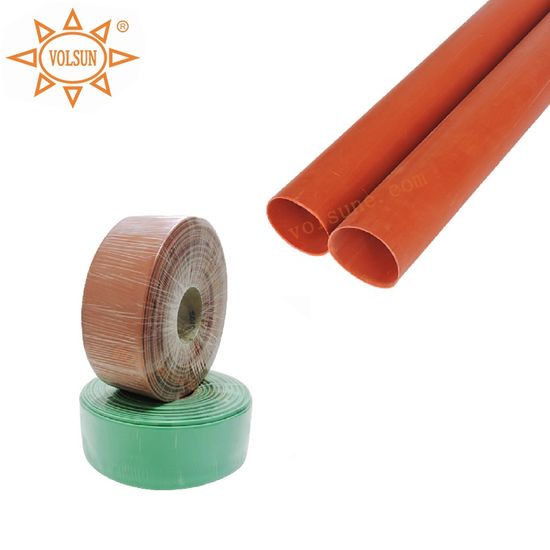

When sourcing busbar sleeves, the most critical factor is the Voltage Rating (typically 1kV, 10kV, 24kV, or 35kV). You must ensure the Shrink Ratio (usually 2:1 or 2.5:1) is compatible with your busbar dimensions to ensure a tight fit. Additionally, verify the Continuous Operating Temperature (standard is -55°C to 125°C) and the Minimum Fully Recovery Temperature to prevent damage during installation.
For high-voltage electrical components, products must meet UL 224 certification for safety and flame retardancy. For the European market, RoHS and REACH compliance are essential to ensure the absence of hazardous substances. Additionally, look for IEC 60060-1 standards for high-voltage test techniques and ISO 9001 factory certification to guarantee manufacturing consistency.
The sleeve should be made of Cross-linked Polyolefin, which provides superior Dielectric Strength (typically ≥20kV/mm) and resistance to tracking. For outdoor or harsh environments, ensure the material is UV resistant and anti-fungal. The Flame Retardant property (Oxygen Index >28) is vital for preventing fire spread in switchgear and substations.
Busbar sleeves are primarily used in Switchgear, Substations, and Control Panels to provide electrical insulation and prevent accidental short circuits caused by wildlife or debris. They allow for reduced clearance distances between busbars, enabling more compact equipment designs and protecting copper/aluminum bars from chemical corrosion and oxidation.
Always request a Third-Party Inspection Report (such as SGS or TUV) before the final balance payment. For electrical goods, ask for a Dielectric Breakdown Voltage test video of the specific batch being shipped. Utilizing platforms like Made-in-China.com allows you to vet suppliers through their Audited Supplier reports, which verify factory scale and production capabilities.
Focus on Volume-Based Tiered Pricing; since these are extruded products, larger runs significantly lower the unit cost. Negotiate for customized lengths or specialized packaging (spools vs. cut pieces) to reduce your local labor costs. If you are a repeat buyer, request Annual Rebate Programs or preferential lead times during peak seasons.
While heat shrink sleeves are stable, they should be stored in a cool, ventilated warehouse below 40°C to prevent premature shrinkage. Ensure the supplier uses UV-opaque outer packaging to prevent degradation during transit. For international trade, clarify the Incoterms (FOB or CIF) and ensure the H.S. Code used (typically 3917.32) is correct to avoid customs delays or incorrect duty applications.
Use Secured Payment Services provided by reputable B2B platforms to ensure funds are only released upon proof of shipment. Avoid direct wire transfers to unknown personal accounts. For large enterprise orders, consider using a Letter of Credit (L/C) to align payment with strict quality and documentation milestones.