Satisfies 1 requirement
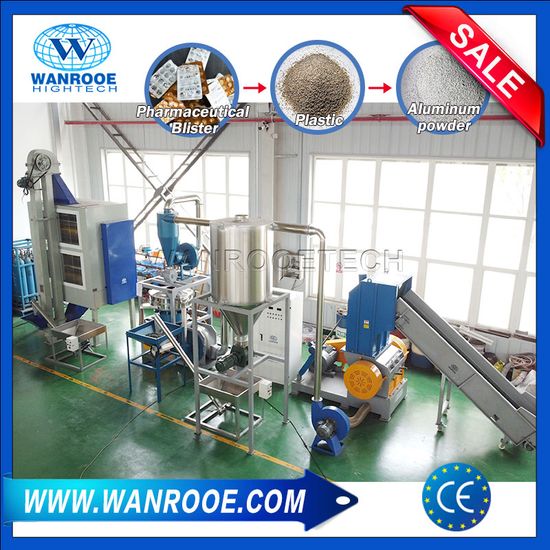
Aluminum Plastic Metal Separator Recycling Machine for Price
US$10,000.00-50,000.00
1 Piece(MOQ)

I have found results from200000+products and100000+suppliers aboutAluminum recycling machine price


When assessing performance, prioritize the processing capacity (tons per hour) and the recovery rate, which should ideally be above 95%. Key components to inspect include the shredding blade material (typically high-manganese steel or D2 tool steel) for durability and the Eddy Current Separator (ECS) efficiency, which is critical for separating non-ferrous metals from waste. Additionally, ensure the machine features a PLC control system (such as Siemens or Schneider) for automated operation and fault monitoring.
For entry into the European market, the machine must have a CE Marking and comply with the Machinery Directive 2006/42/EC. For the North American market, UL or CSA certification for electrical components is essential. Furthermore, ensure the manufacturer adheres to ISO 9001:2015 for quality management and ISO 14001 for environmental management to guarantee the equipment meets global safety and ecological standards.
The choice depends on the input material: Aluminum cans (UBC) require a system with decoating and magnetic separation, while aluminum dross requires a rotary furnace or cold dross processing machine. For industrial profiles or automotive scrap, a heavy-duty twin-shaft shredder followed by an air separator is necessary. Always verify if the machine can handle mixed scrap or if it is specialized for a single waste stream to ensure economic feasibility.
B2B buyers should account for the replacement cycle of wear parts, such as blades, hammers, and conveyor belts. High-quality machines should offer easy access to lubrication points and modular components to reduce downtime. Ask the supplier for a recommended spare parts list for the first two years of operation and confirm the availability of remote technical support.
Utilize secure payment terms such as a Letter of Credit (L/C) or escrow services provided by reputable platforms like Made-in-China.com. Never transfer full payment upfront; a standard practice is a 30% deposit and 70% balance after successful FAT (Factory Acceptance Testing). Consider hiring a third-party inspection agency (like SGS or BV) to verify the machine's functionality before it leaves the factory.
Focus on the Total Cost of Ownership (TCO) rather than just the sticker price. Negotiate for extended warranties (e.g., 24 months instead of 12), the inclusion of critical wear parts, or on-site installation and training services. If purchasing multiple units, leverage volume discounts which can typically range from 5% to 15%.
Due to the size and weight, these machines often require Open Top (OT) containers or Flat Rack (FR) containers. Ensure the supplier uses professional sea-worthy packaging, including anti-rust coating and vacuum plastic wrapping. Clearly define Incoterms (FOB vs. CIF); for heavy machinery, FOB is often preferred by experienced buyers to maintain control over freight costs and insurance.
Check the HS Code (typically 8479.89 or 8474.80) against your country's tariff schedule. Be aware of anti-dumping duties or specific environmental subsidies in your region that might offset costs. Ensure all Certificate of Origin documents are provided to take advantage of Free Trade Agreements (FTAs) which can significantly reduce import duties.