
Satisfies 1 requirement
32 Inch Desktop LED 165Hz Computer Curved PC LCD Desktop PC Screen Gaming Monitors
US$38.00-58.00
2 Pieces(MOQ)

I have found results from20000+products and5000+suppliers about32 inch led computer monitor


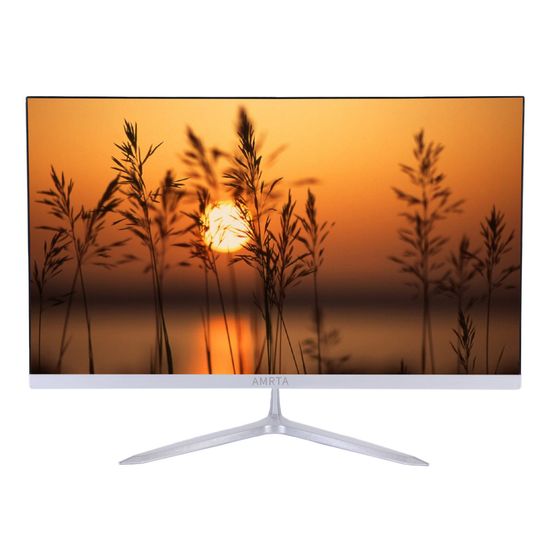


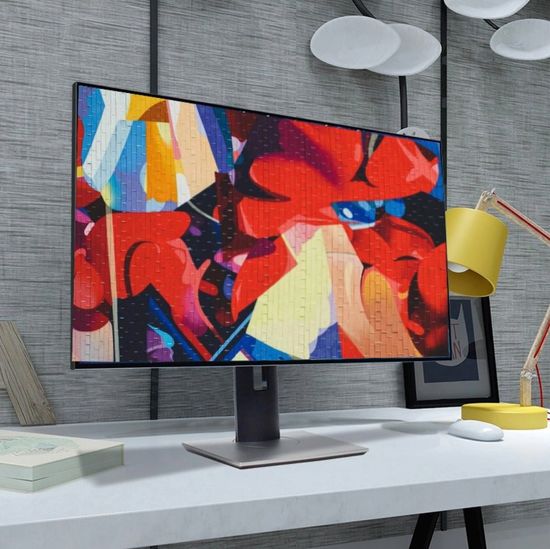




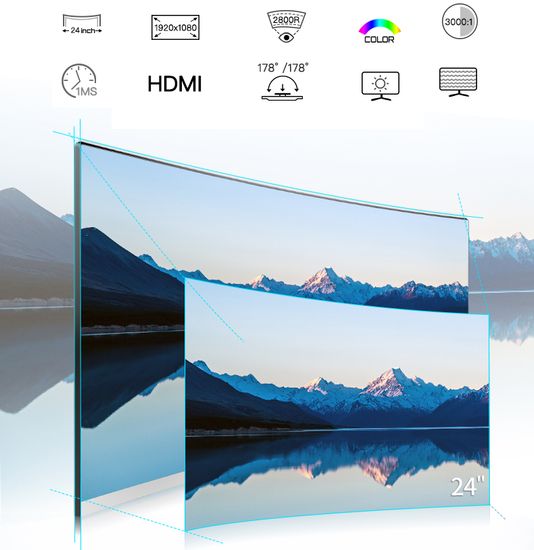


For a 32-inch screen, Resolution is the most critical factor; avoid 1080p as the pixel density is too low for this size. Prioritize 4K (3840 x 2160) or at least 2K/QHD (2560 x 1440) to ensure sharp text and images. Additionally, check the Panel Type: IPS panels are preferred for color accuracy and wide viewing angles (178°), while VA panels offer better contrast ratios for office or security monitoring. Ensure the Brightness is at least 250-300 nits and the Refresh Rate is 60Hz for office use or 144Hz+ for gaming/high-end design.
To ensure legal entry and consumer safety, monitors must meet regional standards. For the US market, FCC and UL/ETL certifications are essential. For the EU, CE marking, RoHS (restriction of hazardous substances), and REACH are mandatory. Additionally, look for Energy Star certification to appeal to eco-conscious buyers and TUV Rheinland Low Blue Light certification to market the product's eye-protection features.
Request the supplier to provide a Dead Pixel Policy statement; industry leaders usually guarantee Class 0 or Class 1 (ISO 9241-307), meaning zero or very few defective pixels. Ask for video proof of a 48-hour aging test and a drop test report for the packaging. Furthermore, verify the Interface Durability, ensuring the monitor includes modern ports like HDMI 2.0/2.1, DisplayPort 1.4, and USB-C with Power Delivery (PD) for laptop charging integration.
32-inch monitors are high-demand items for Professional Creative Work (video editing, CAD), Financial Trading (large screen real estate for charts), and Modern Office Setups (replacing dual-monitor configurations). They are also increasingly used in Medical Imaging and Digital Signage. When sourcing, ensure the stand supports VESA Mounting (100x100mm) to accommodate ergonomic arm attachments used in these professional environments.
The biggest risk is Panel Fragility and High Damage Rates. LED panels are sensitive to pressure and vibration. You must insist on 5-layer corrugated outer cartons with custom-fitted EPE foam (not EPS/Styrofoam). For bulk sea freight, ensure the pallets are shrink-wrapped and corner-protected. It is highly recommended to use Made-in-China.com's Secured Trading Service to protect your payment until the goods pass a third-party inspection.
Electronics margins are thin, so focus on Volume-Based Tiered Pricing. A typical MOQ for a neutral brand is 100-500 units, but for OEM/Custom Branding (Logo/Startup Screen), suppliers may require 500-1,000 units. Negotiate for a 1-2% spare parts allowance (buffer stock), specifically for power adapters and stands, which is often more cost-effective than shipping individual replacements later.
Always verify the supplier's Business License and Export Qualifications on the platform. Use Escrow-based payment methods where funds are only released upon proof of shipment (Bill of Lading). Before the final payment, hire a Third-Party Inspection Agency (like SGS or Intertek) to perform a 'Random Sampling Inspection' to check for color consistency, backlight bleeding, and port functionality.
Due to the large volume-to-weight ratio, Sea Freight (FCL or LCL) is the most economical for bulk orders. However, for 32-inch monitors, LCL (Less than Container Load) carries a higher risk of mishandling. If your volume allows, Full Container Load (FCL) is significantly safer. For urgent samples, use Air Express (DHL/FedEx) but ensure the supplier uses 'Double-Box' packaging to prevent screen cracking during transit.